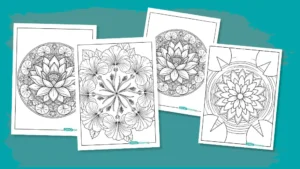
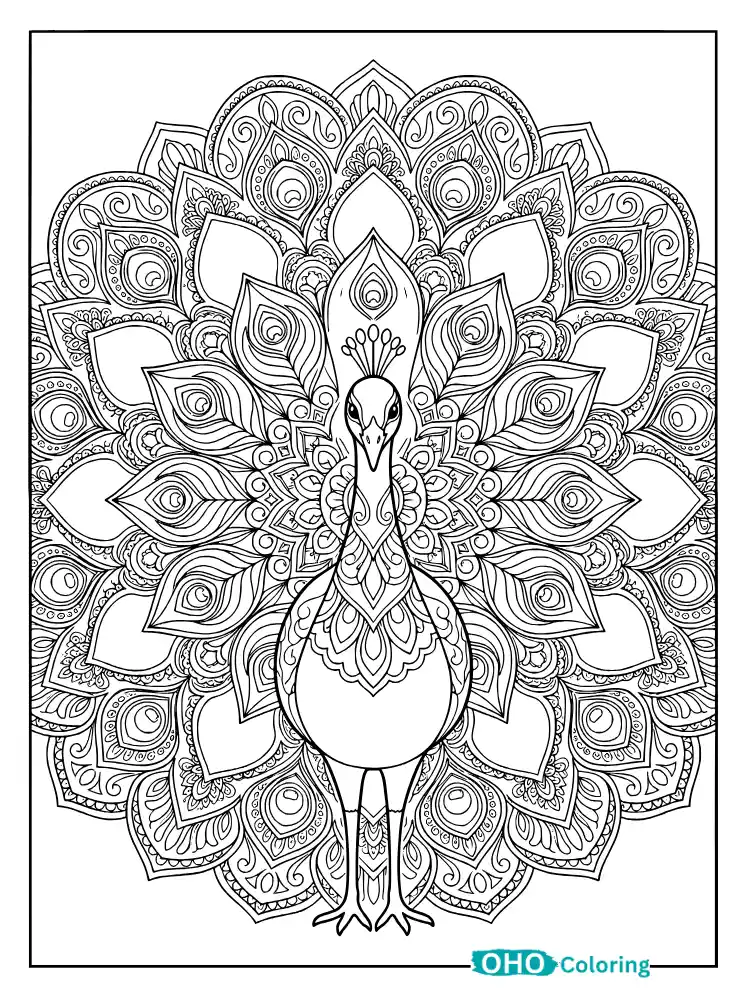
After a day of screens and notifications, we wanted something to keep our hands busy without making our brains a single decision. That search led us to build a full set of 20 Animal Mandala Coloring Pages. Twenty animals sit inside their own round patterns, including a lion, a sea turtle, a barn owl, a monarch butterfly, an elephant, a fox, a wolf, and a peacock. All twenty pages are ready to print, but coloring every one of them ourselves wasn’t realistic.
Each page deserves a slow evening and a few sittings, so we picked six to color and kept notes on how they turned out. The animal sits in the middle, which gives your eyes a place to land, and the repeating rings settle into a steady rhythm as you work outward. Pages this detailed are designed for teens and adults, so they’re not a good fit for toddlers or younger kids. The six we colored are described below, along with a few true facts about each animal that are fun to read while you shade.
Featured Animal Mandala Coloring Pages
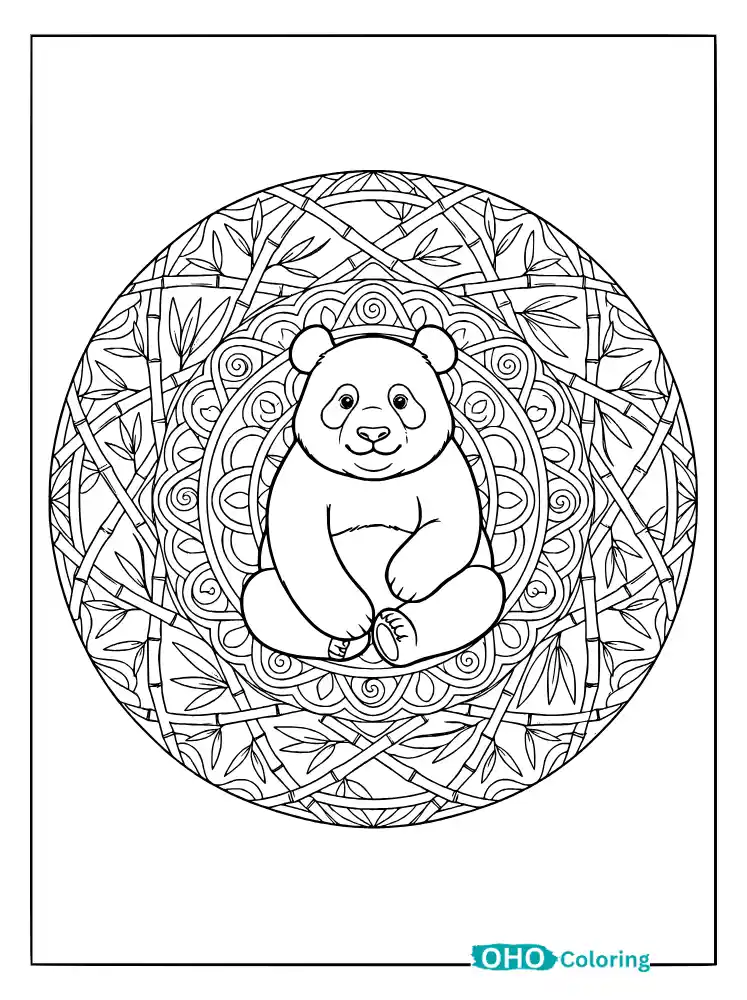
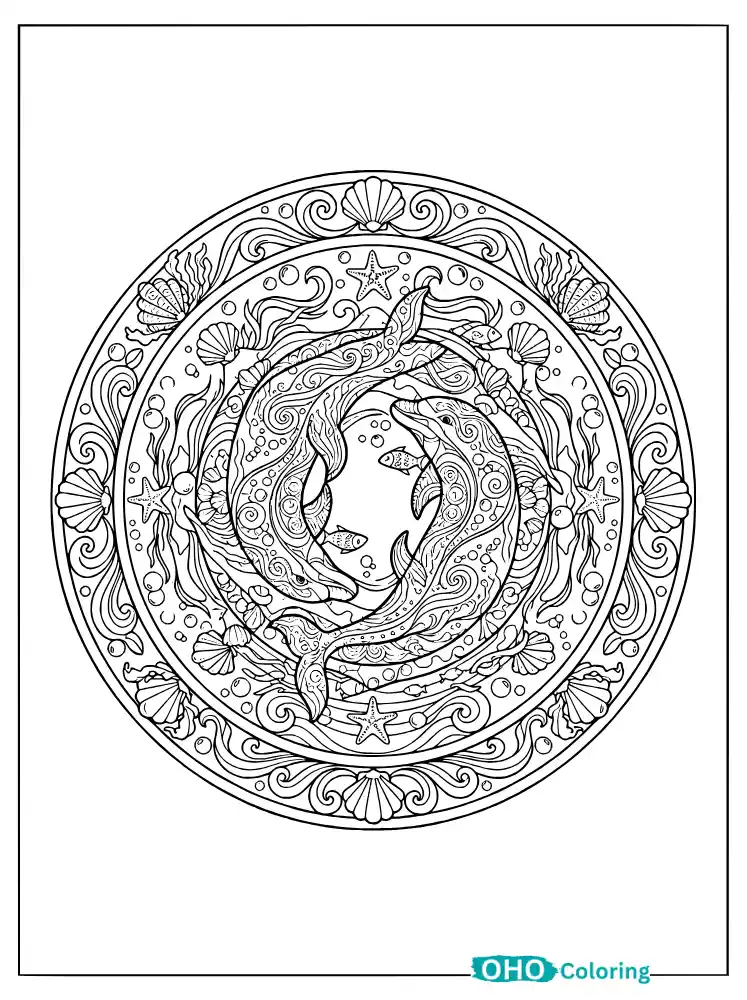
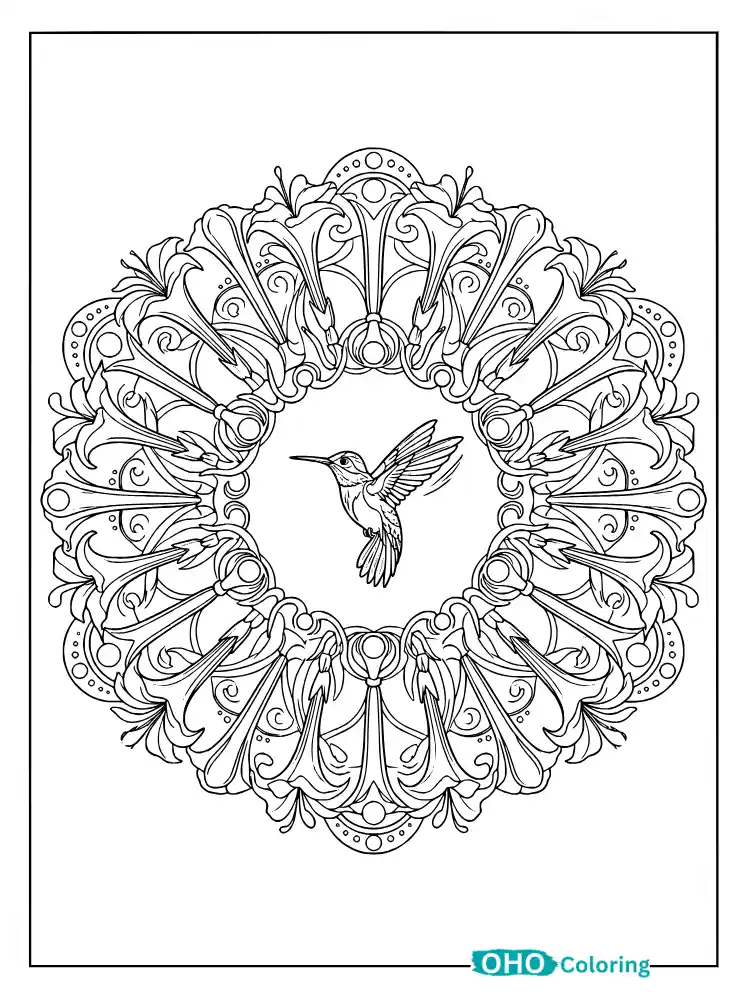
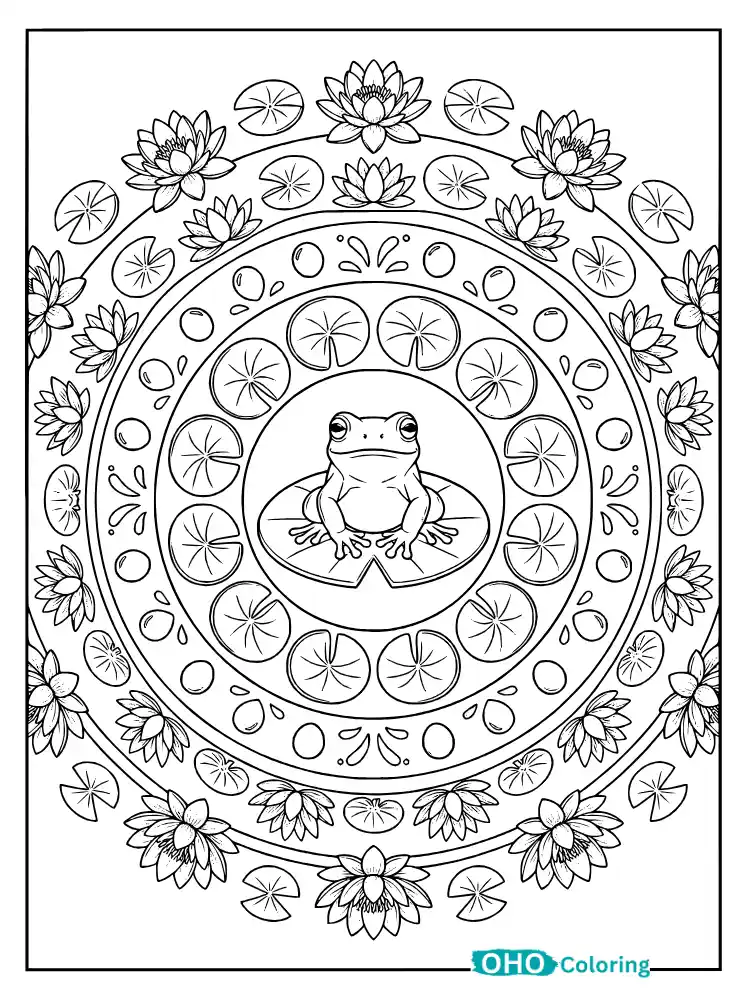
All 20 Animal Mandala Coloring Pages are collected below, from the lion and sea turtle to the wolf and peacock. Click any image to open it larger, then download the high-resolution PDF. Each page prints cleanly on standard US Letter paper (8.5 x 11 inches). The six we colored are covered in the sections that follow, and whichever animal catches your eye in the rest of the set makes a good place to start.









Six Animal Mandalas We Colored, and What We Learned
Out of the 20 pages in the set, we picked six and colored them over several quiet evenings: the lion, sea turtle, barn owl, monarch butterfly, elephant, and fox. Each one called for a different palette, so we wrote down what worked and what we’d change. We also collected a few true facts about each animal, because they’re fun to read while you shade. We start with the lion, since his warm mane makes an easy first page.
The Lion’s Mane and a Ladder of Warm Colors
We always start with the lion, because his mane sets the mood for the whole evening. Leaf-shaped petals fan out around the face like sunrays, so the easiest approach is a ladder of warm colors: light gold near the face, orange in the middle, and deep reddish brown at the edges. That ladder matches the real thing, since a male lion’s mane darkens as he ages, and other lions tend to treat a dark mane as a sign of strength. His roar can carry about five miles, yet he still sleeps sixteen to twenty hours a day. Whenever your own pace feels slow, that fact is worth remembering.
The Sea Turtle and Her Rings of Waves
After all that orange and gold, your eyes start looking for cooler colors, and the sea turtle page answers that. She swims upward through rings of waves and coral. Five or six shades of blue and green work well here, as long as the shell sections get earthy browns and olive tones, otherwise she disappears into the water.
Those shell sections are called scutes, and they form a protective layer over her body. A female sea turtle returns to lay her eggs on the same beach where she hatched, sometimes after swimming thousands of miles. Adult green sea turtles eat mostly seagrass, which means that long trip runs on a diet of plants.
The Barn Owl and Its Night Palette
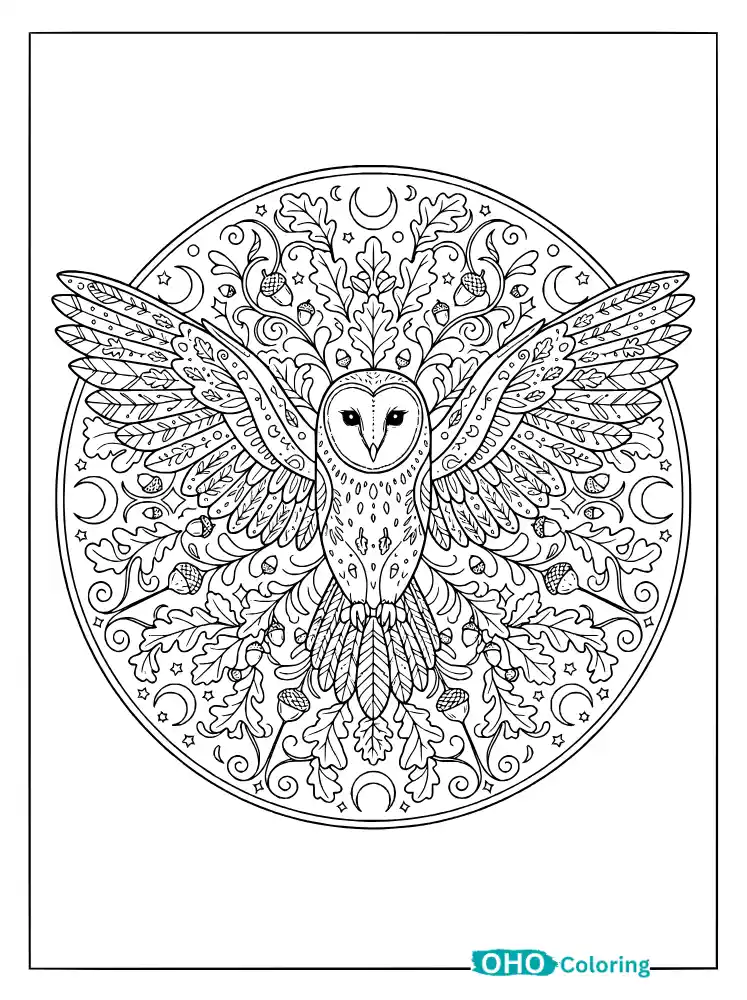
Moving from ocean blue to night colors feels natural, so the barn owl comes next. With wings spread wide, it sits inside a ring of oak leaves, acorns, and crescent moons, and deep navy, purple, and slate gray look great on this page. Alternate light and dark shades across the feather layers and the texture builds itself.
A barn owl’s heart-shaped face works like a bowl that funnels sound toward its ears, which is why it can locate a mouse in total darkness by hearing alone. The edges of its feathers are soft enough that its flight is nearly silent, so its prey never gets a warning.
The Monarch Butterfly and the Sunflower Petals
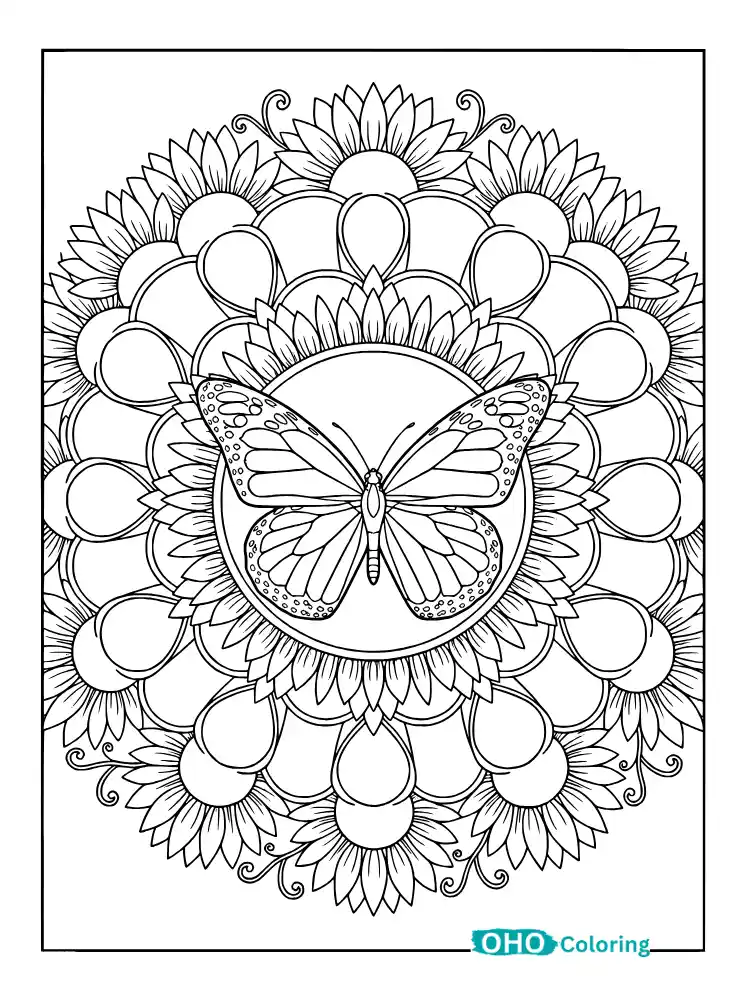
After a stretch in dark colors, the monarch and sunflower page feels like morning. Blend two shades of orange on the wings, one light and one deep, and leave the white dots untouched so they pop against the color, just as they do on a real monarch. Those delicate wings carry the butterfly about 2,500 to 3,000 miles from the US and Canada down to Mexico each year, and the insect weighs less than a paperclip. Monarch caterpillars eat only milkweed, and adult butterflies taste with their feet. That last fact makes us glance at our own feet every time we mention it.
The Elephant and the Lotus Layers
Next to the butterfly’s light wings, the elephant page feels heavy, yet it’s just as calm. The elephant raises its trunk in front of rings of lotus petals. Keep the elephant in cool slate or soft brown, then fill the petals with pink, peach, and dusty purple so the contrast pulls the eye to the center. An elephant’s trunk contains tens of thousands of tiny muscle units, which is how it can pick up a single blade of grass and also use the trunk as a snorkel in deep water. Its large ears help release body heat, so they double as built-in fans.
The Sleeping Fox and the Pine Branches
We save the fox for last. She’s asleep herself, and coloring her slows your pace in the same way. She lies curled up with her tail across her nose, surrounded by pine branches, pinecones, and snowflakes. Rust orange and brown for the fox, a bare white tip on the tail, deep green for the branches, and pale sky blue for the snow make a combination that really comes together here. The tail deserves extra care, because in winter a fox wraps it around her body like a blanket. Her hearing is sharp enough to catch a mouse moving under the snow, and she’ll leap high into the air to land right on top of it.
Tips for Coloring Animal Mandalas
Coloring these six pages taught us a few things. The first is to pick your palette before you start. Choose four to six colors and repeat them across the whole page, because repetition is what makes a mandala look balanced. Once the palette is set, begin at the center. When the animal is finished, the colors for the surrounding rings tend to suggest themselves. Some people prefer working from the outside in, so try both and see which one suits you.
With colored pencils, lay down a light first layer and build a darker second layer over it. Two shades of the same color give petals a rounded look, and the same trick works on the mane, the feathers, and the lotus. For tiny details, fine-tip markers or gel pens are a good choice, but test them in a corner first to make sure the ink doesn’t bleed through.
Since we’re on markers and pens, paper matters too. Printing on 32 lb paper or heavier keeps pencil layers crisp and cuts down on ink spread, and lightweight cardstock is even better. Don’t feel pressure to finish a page in one sitting, either.
A mandala colored over two or three evenings often turns out more polished, because your eyes are fresh each time. The same approach works for the rest of the set. When you finish, step back and look at the whole page, and if any ring looks faded, add one more darker layer.
Now there’s one question left for you: out of twenty pages, which one will you color first? Warm-toned lion like ours, or the owl sunk in blue and purple? Whichever you choose, tell us in the comments which color combination you liked best when you’re done. We read every comment.