Brightly colored flowers blooming in the garden have always captivated children. When children hold crayons, markers, or colored pencils in their little hands, these flowers stop being just sketches on a piece of paper; they become a medium for them to view nature through their own unique lens. By coloring these Flower Coloring Pages, children not only refine their creativity but also unconsciously learn many new things about plants and trees.
As a parent and a teacher, I have often realized that when a child carefully colors an intricate petal of a flower, they begin to understand the detailed textures of nature much more deeply. To experience this connection firsthand, let us take a journey through some of the most unique flowers in our backyards and gardens and discover the interesting stories behind them.
Featured Flower Coloring Pages
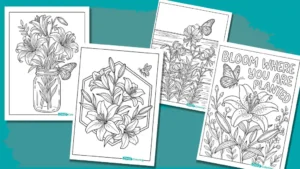
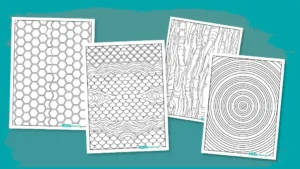
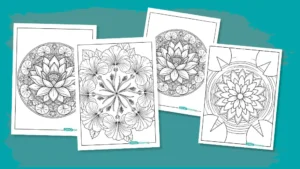
Check out our printable sheets below. Click on any image to open it and download the high-resolution PDF for printing:


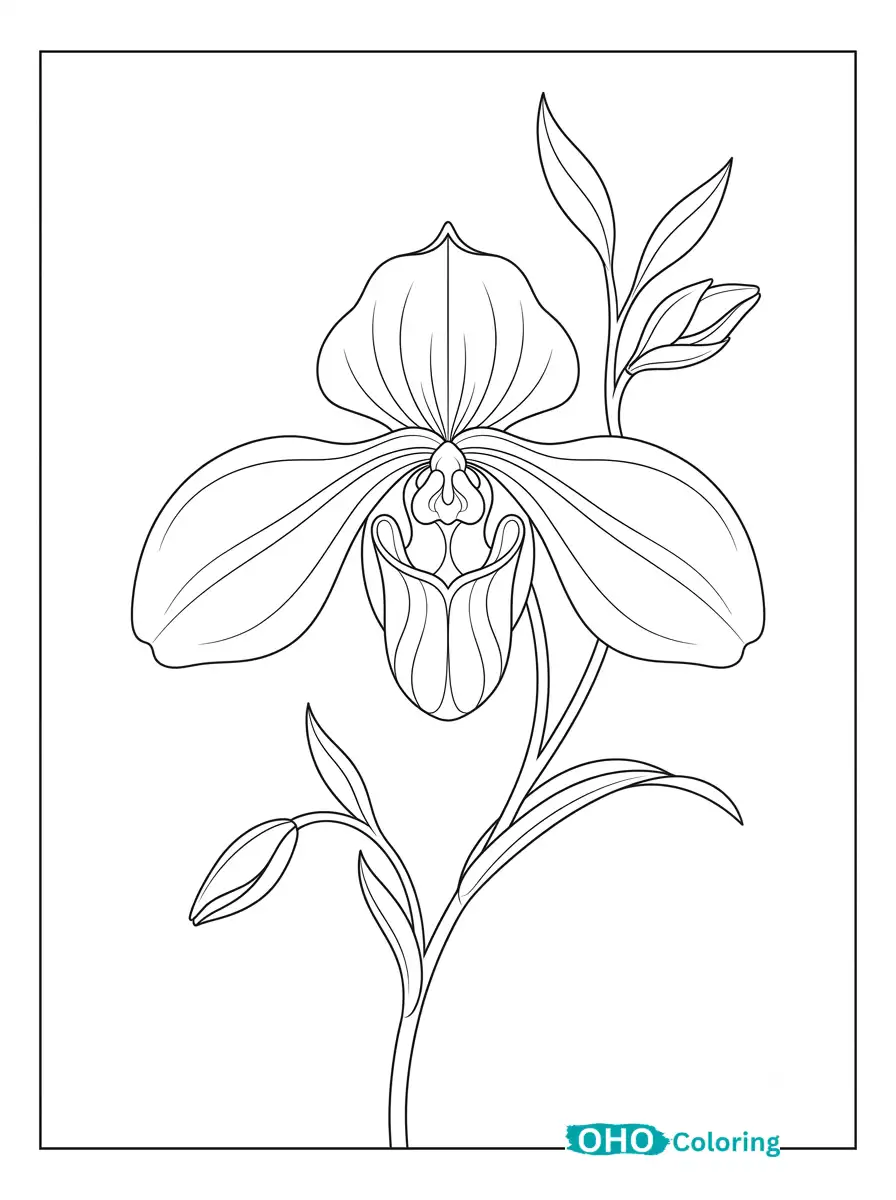


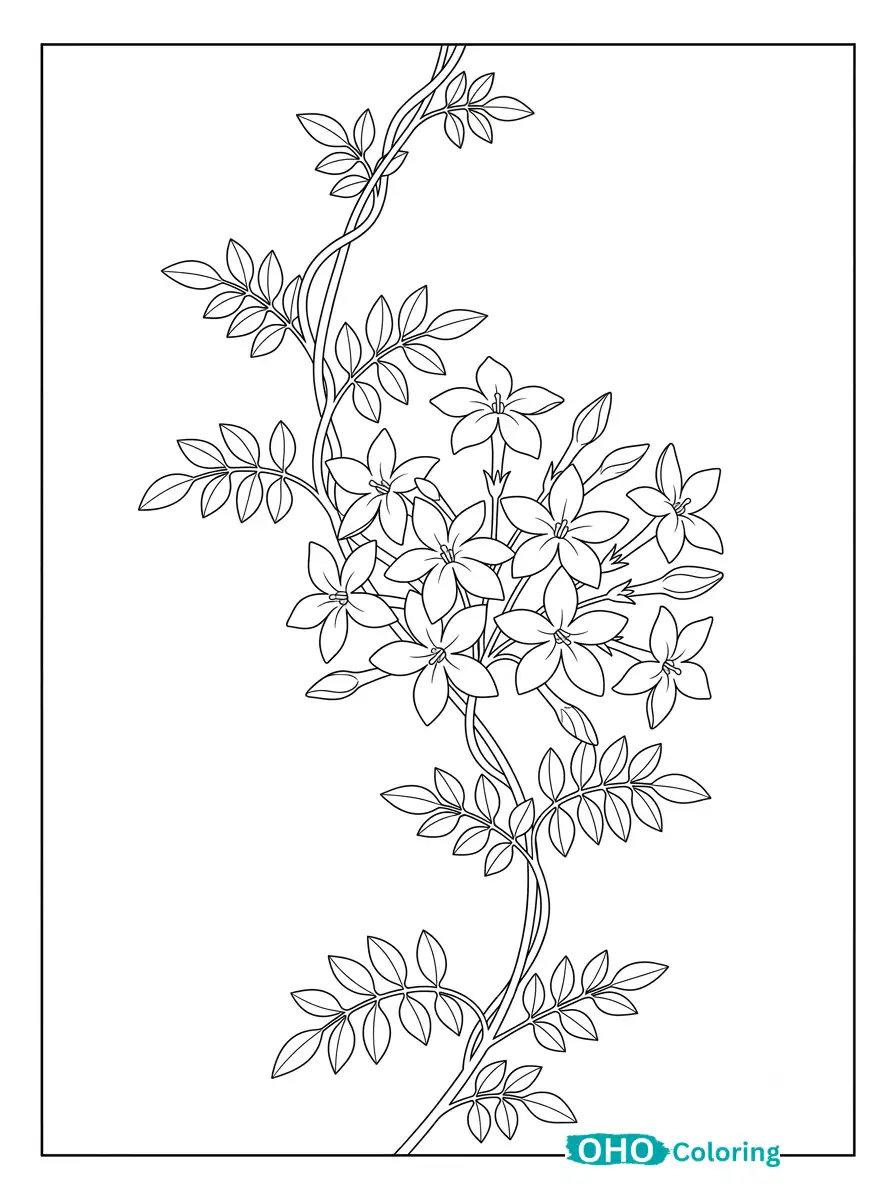
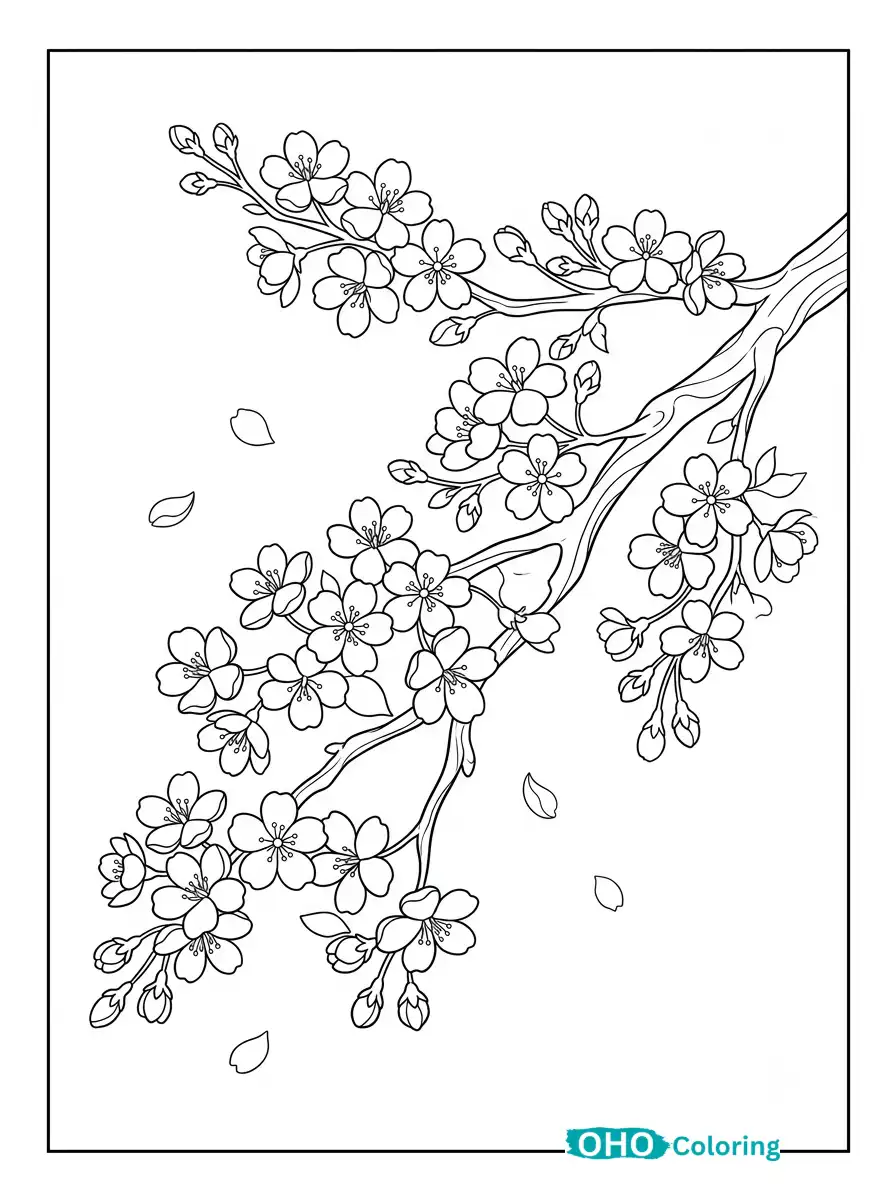

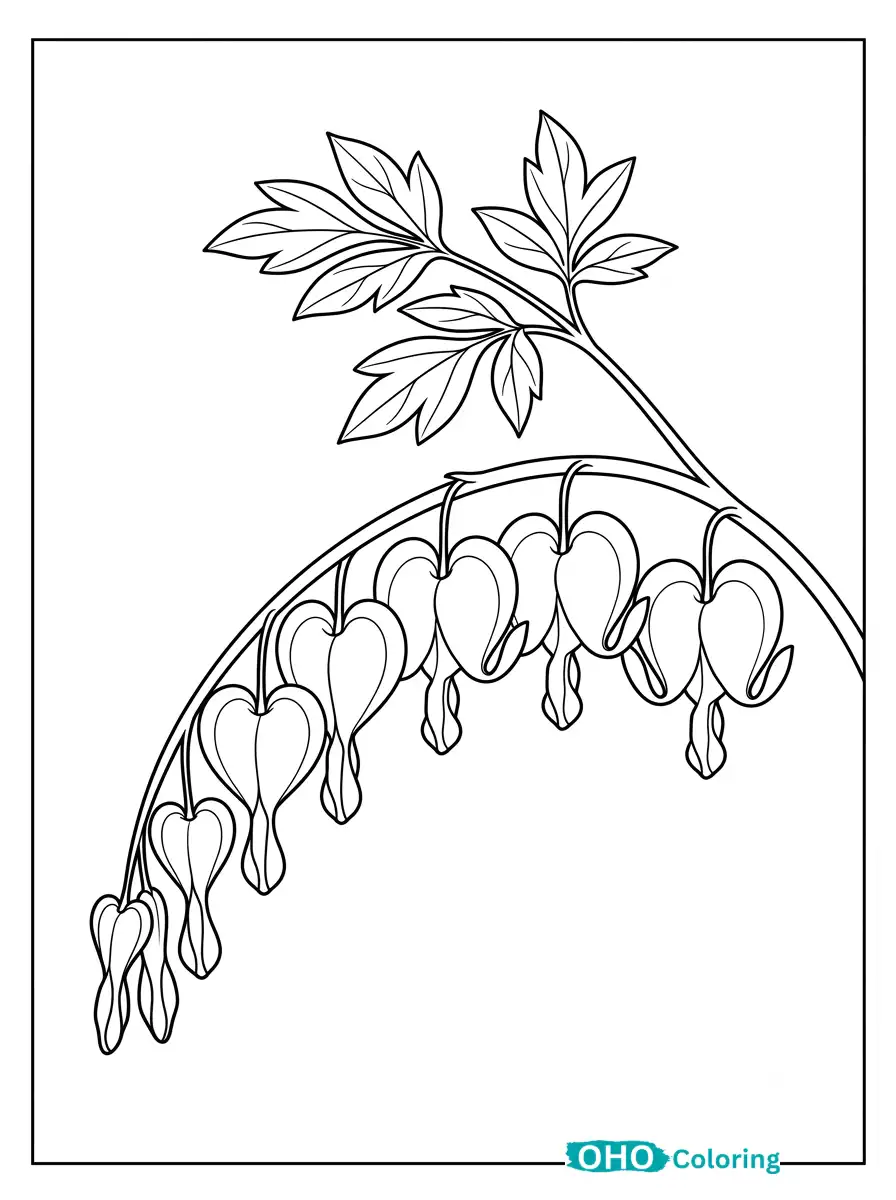

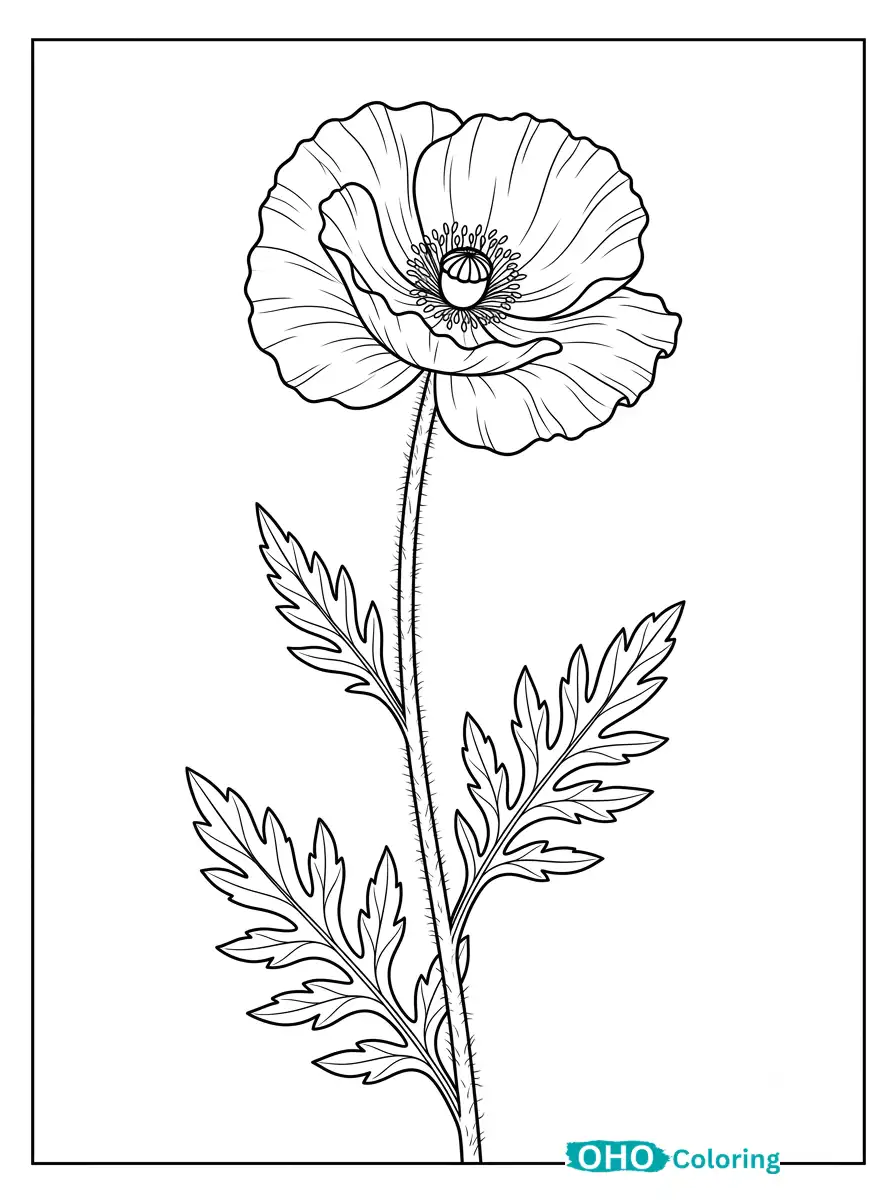

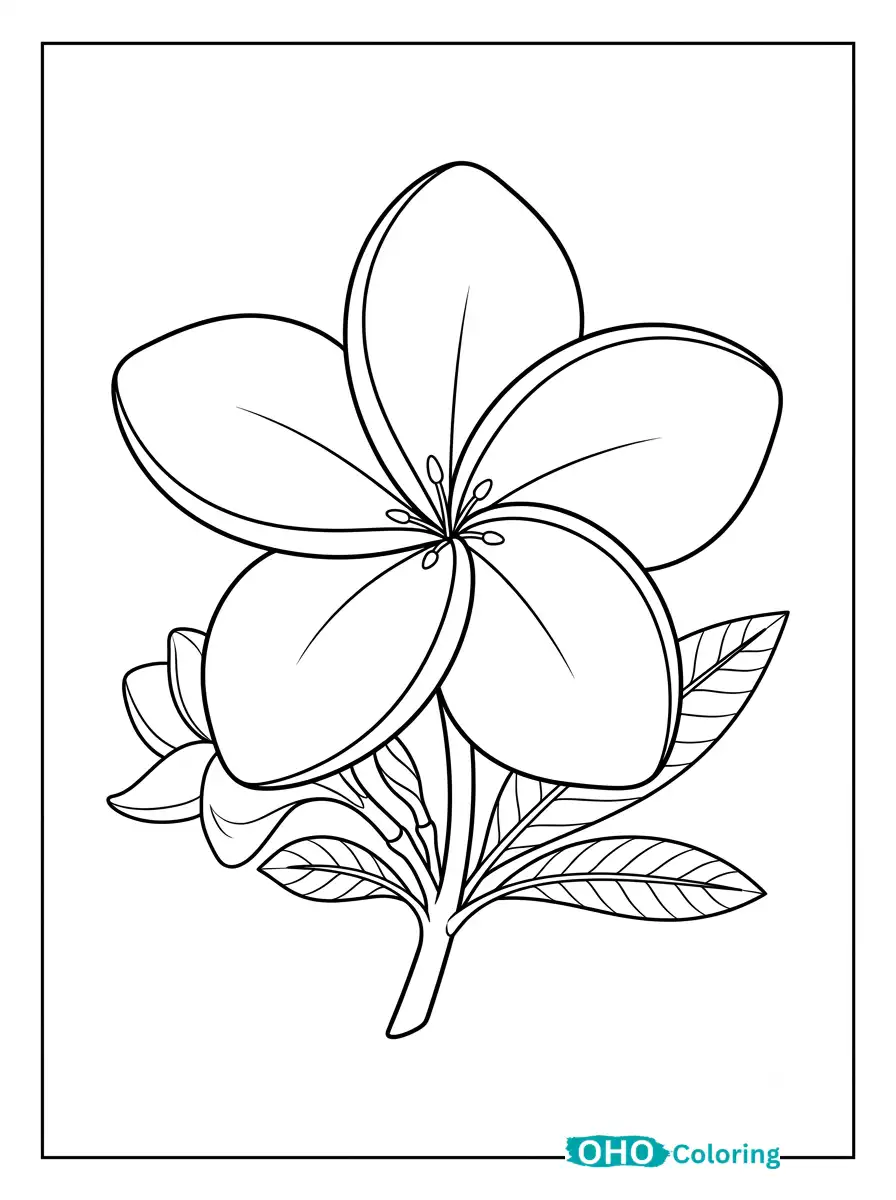


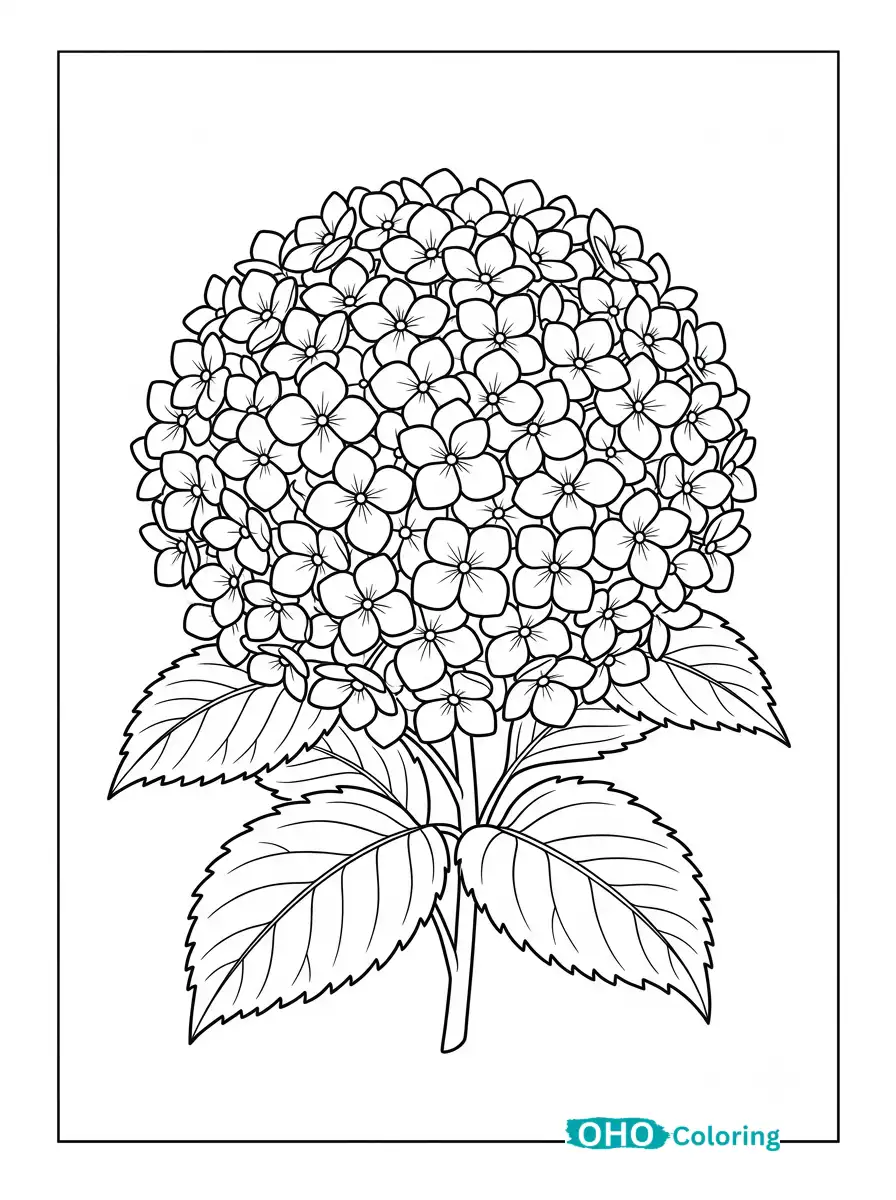
Highlight coloring pages of flowers
The Layered Petals of the Classic Rose
When speaking of flowers, it is impossible not to mention the rose, the pride of the American garden. Because of its dense and beautifully swirled petals, the rose has always been a favorite among children. When children start coloring its sketch, they begin with the inner layers and gradually move outward toward the opening petals.
Kids will be fascinated to learn that this beautiful flower has existed on our planet since before the age of the dinosaurs—millions of years ago—and today, it stands as the official National Floral Emblem (National Flower) of the United States. While coloring it, children can experiment with bright yellows or soft pinks in addition to the traditional red, making a unique rose of their own choice bloom on the page. Furthermore, carefully outlining the small thorns on its stem and the veins of its green leaves takes children’s focus to a whole new level.
The Smiling Sunflower and Its Unique Personality
Moving beyond the softness of the rose, the giant, swaying sunflower catches our eye in the fields and backyards during the summer days. Its large, round face and surrounding pointed petals fill children with a unique energy. The most fascinating habit of this flower is that it always chases the sun; facing east in the morning, this flower turns toward the west by evening, a phenomenon known in science as heliotropism.
To capture this playful nature of the native North American plant on paper, children can fill the central part with dark brown to bring out the pattern of the seeds. After that, they can bring the entire picture to life by decorating the sunray-like outer petals with bright yellow or golden orange.
The Sacred Lotus Floating on Water
Stepping away from the garden beds, when our gaze falls upon a calm pond, we see the lotus smiling proudly in the middle of the water. Similar to the water lily family, this flower—with its symmetrical and balanced structure—inspires children to fill in colors with a very calm mind.
Nature has given this flower a magical trait: water or mud from the pond never sticks to its leaves, keeping it completely clean and fresh at all times. To reflect this beautiful harmony on the page, children can use shades of light pink or milky white for the petals. Filling the water ripples right below it with sky blue or light blue transforms the whole picture into a beautiful, serene pond scene that brings peace to the mind.
The Unique Shape of the Hanging Bleeding Heart
Venturing a bit further into the quiet and cool corners of the garden, we find a plant whose structure can amaze anyone. We call it the Bleeding Heart, featuring a thin, arching stem where small, heart-shaped flowers hang in a neat row just like dangling pendants. Quietly thriving in shaded areas during the spring season, this unique flower introduces children to nature’s extraordinary designs.
A tiny, droplet-like shape emerges from the bottom of its flower, setting it apart from all other plants in the world. While coloring this picture, children can choose deep magenta or pink for the heart shape, while keeping the hanging droplet white or a very light shade to replicate its natural look perfectly on paper.
Practical Tips for Coloring Flowers
To breathe real, lifelike energy into these sketches on paper, a few very simple and practical art tips can be highly useful for children:
When choosing colors, one should always follow the ‘light to dark’ rule, under which a light base color is filled in the center of the petal first, followed by deeper shades of the same color to create strokes along the edges or deep areas. Doing this makes the flower look 3D rather than flat.
If children are using watercolor pencils or blending markers, lightly running a wet brush or blender over the colors after filling them in normally will blend all the strokes seamlessly, looking as if a professional painted it.
Additionally, the exact part of each petal where the sun hits directly should be left completely white or uncolored, as this blank space acts as a natural highlight. The final and most important tip is to never leave the blank background of the page completely white after coloring the flower; give it a very soft and diffused shading stroke of light yellow, sky blue, or mint green around the edges, making the main flower pop right out of the page and look incredibly lifelike.