This series of Christmas tree coloring pages grew out of an old habit in my house. Every December, the evening we decorate the tree feels like a small holiday of its own. The kids pull ornaments out of the boxes, somebody sneaks a bite of a candy cane, and the moment it’s time to put the star on top, an argument breaks out over whose turn it is.
The trouble is that the decorating is over in a single evening, while the kids’ minds stay stuck on the tree long after. That’s why we made pages where they can decorate their own tree as many times as they like, in their own way. Some pages are simple enough for little hands, and others have so much going on that bigger kids will sit with them for an hour.
Featured Christmas Tree Coloring Pages
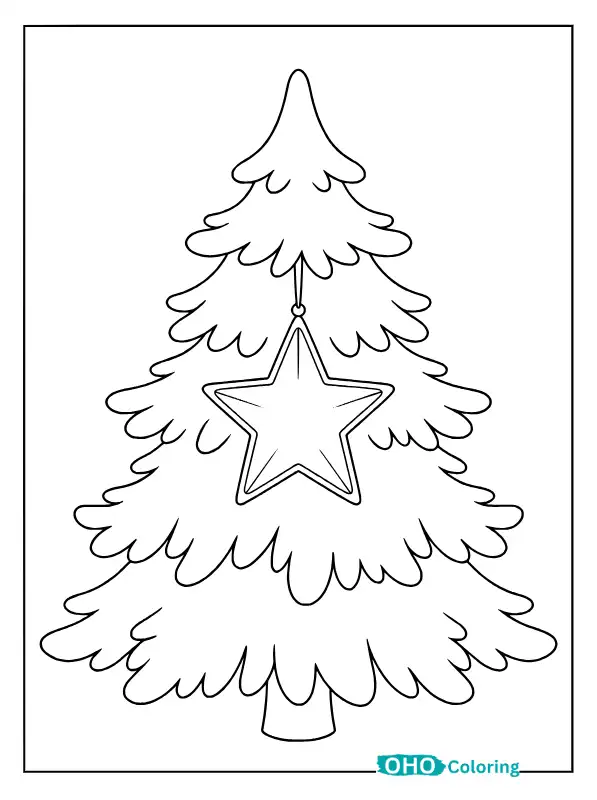
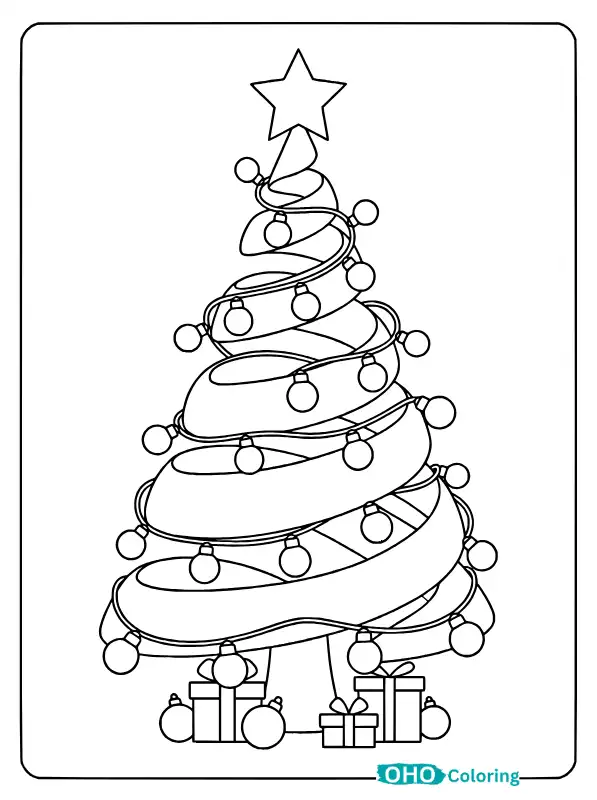
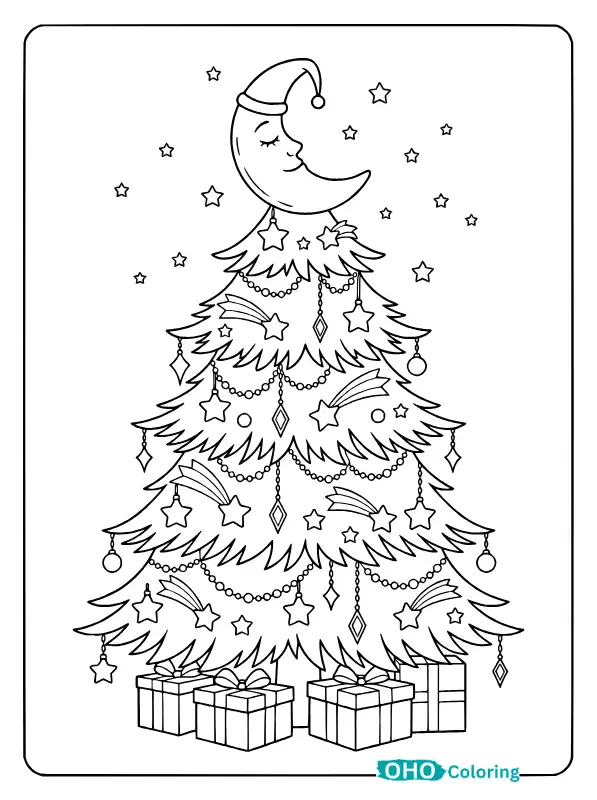
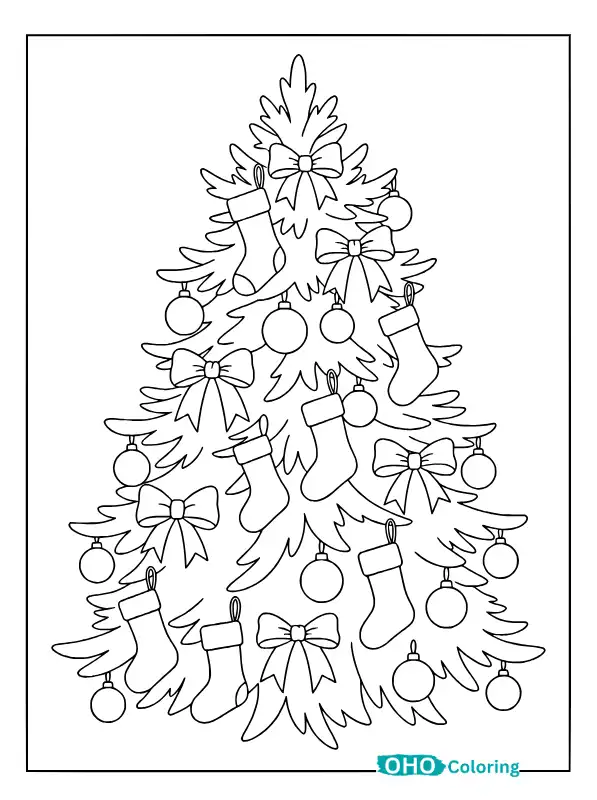
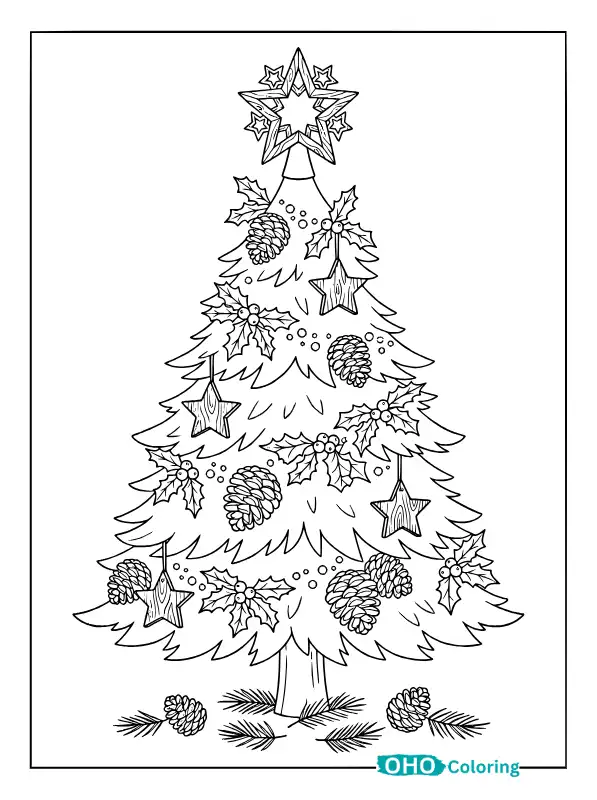
Not every child wants the same tree. A toddler does best with a plump, simple shape and big open spaces, while an older kid wants ornaments, candy canes, and a pile of presents to fill in. This collection has both, from a smiling tree in a star hat to a snowy pine standing outside. Every sheet is clean black-and-white line art that prints neatly on standard letter-size paper.
Check out our printable sheets below. Click on any image to open it and download the high-resolution PDF for printing:

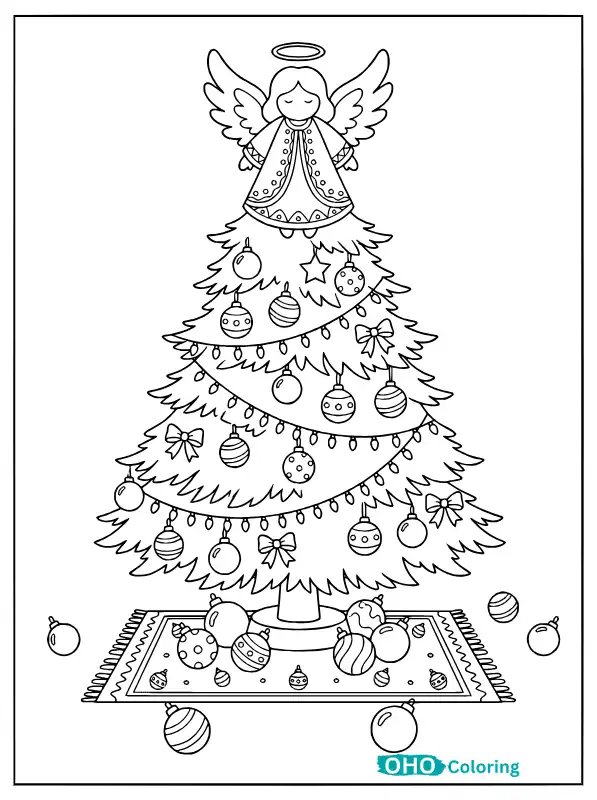
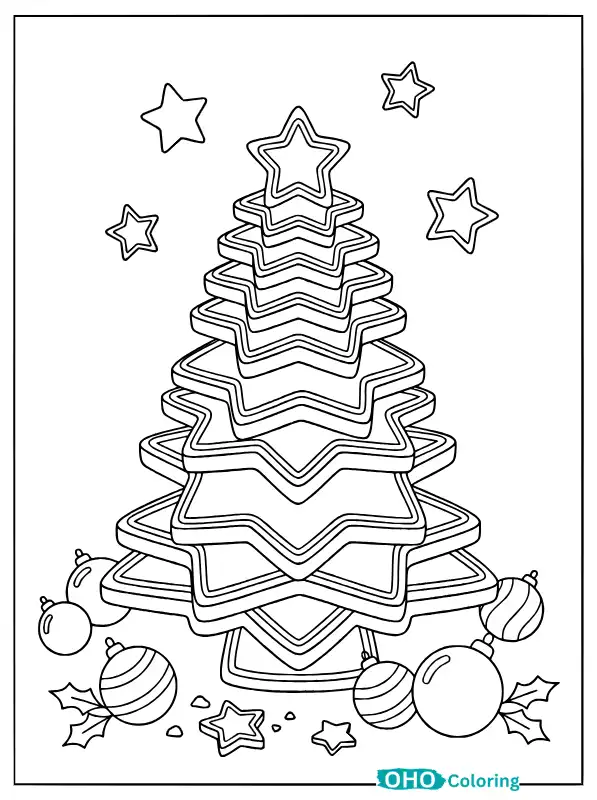
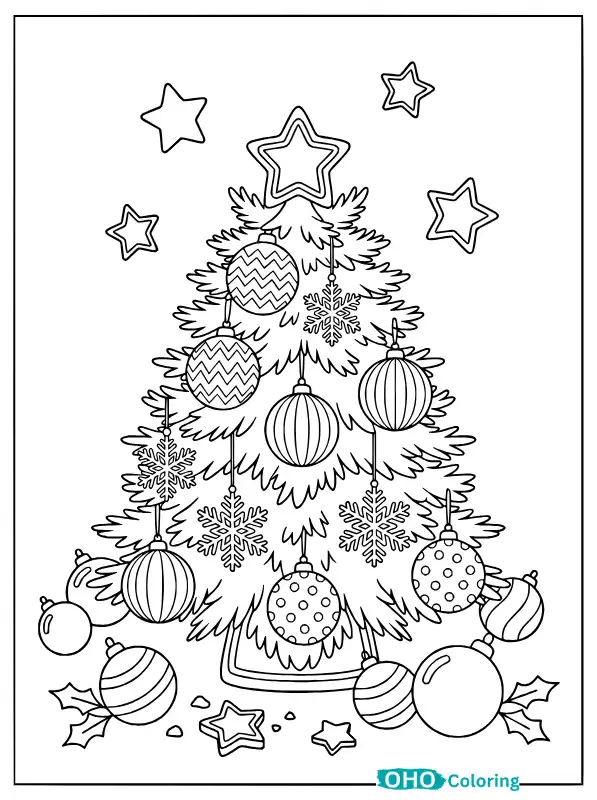
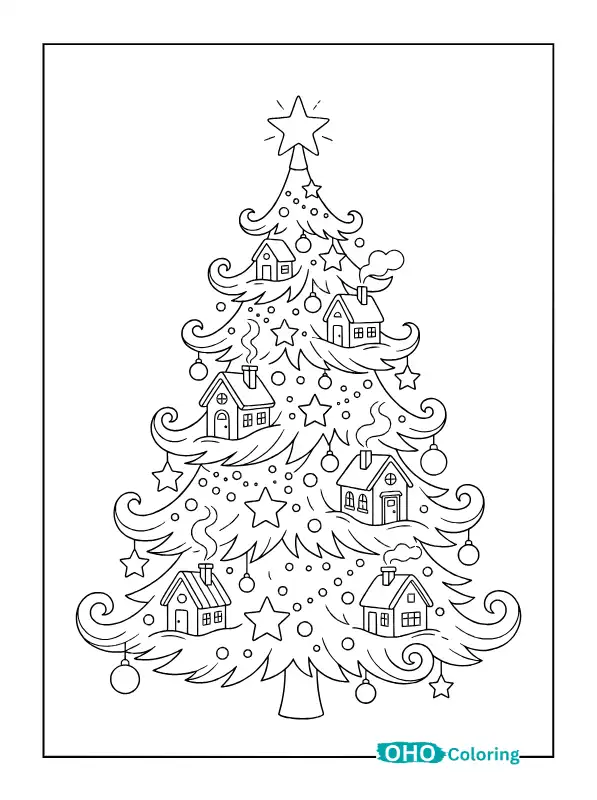
The First Tree: A Chubby Tree with a Big Star
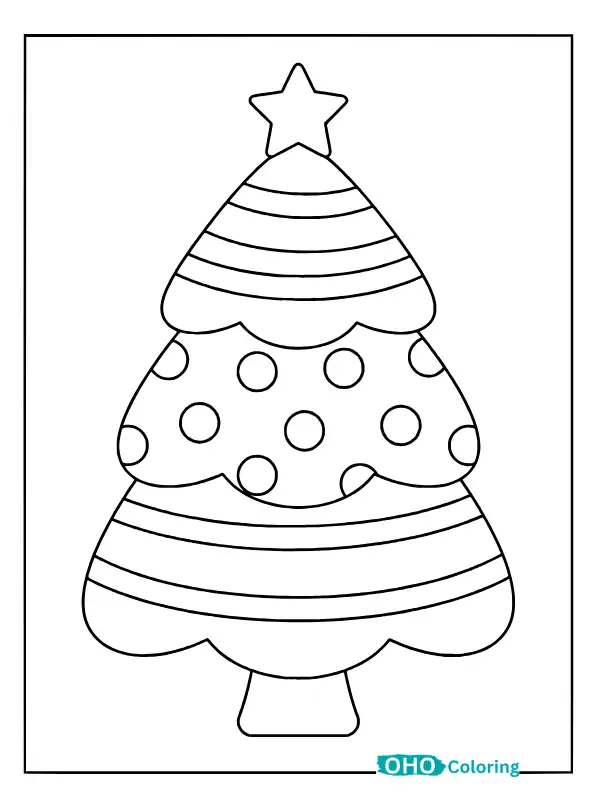
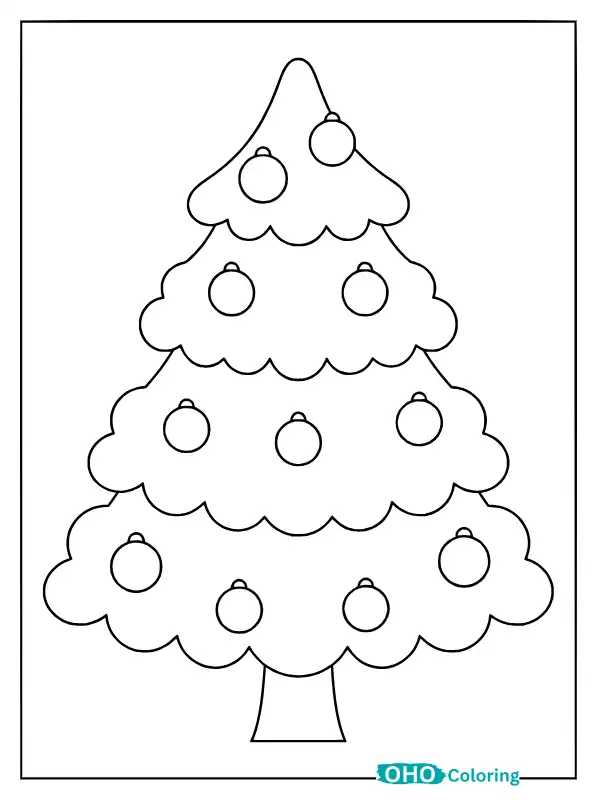
Let’s start with the easiest page, because that’s where little ones always start. The tree is plump, with three puffy tiers, four oversized ornaments, and a big star on top. The spaces are so wide open that a child who is still learning to hold a crayon can slip outside the lines and the page won’t be ruined. When my son colored this one for the first time, he made the star green and the tree yellow. I didn’t correct him, and a moment later he colored the next ornament red all on his own.
When he got to the star, he stopped and asked why a tree has a star on top. I told him that the Christmas tree tradition is believed to have started in Germany in the 1500s, and that the star at the top reminds people of the star that guided the way in the story of Jesus’s birth. After hearing that, he went back over the star again, this time in gold.
The Second Tree: A Classic Tree Surrounded by Presents
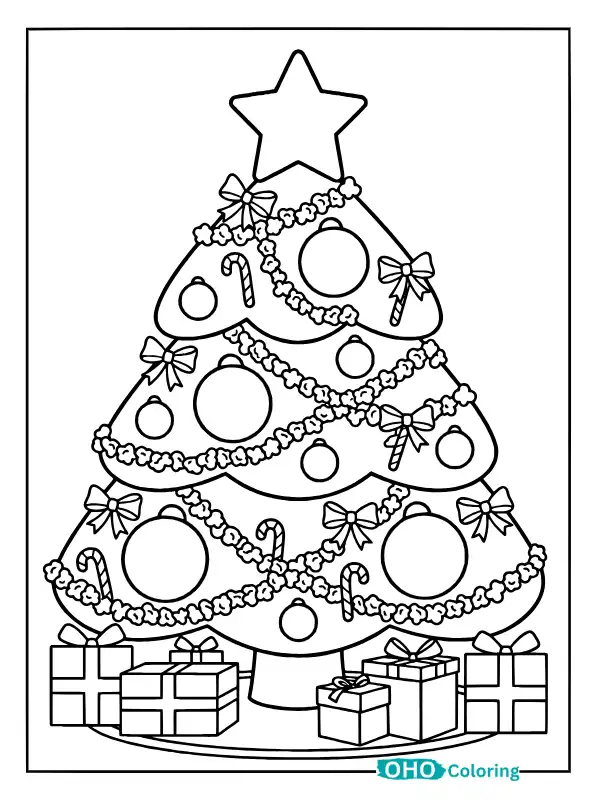
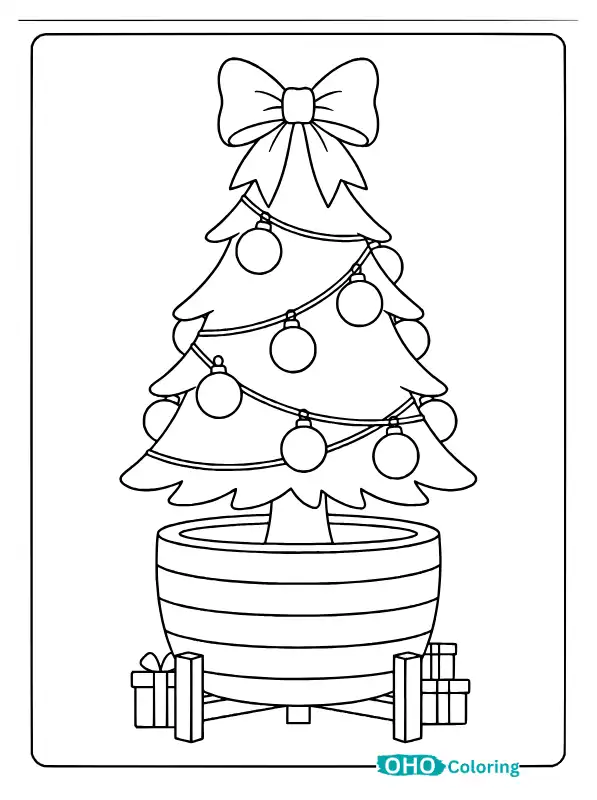
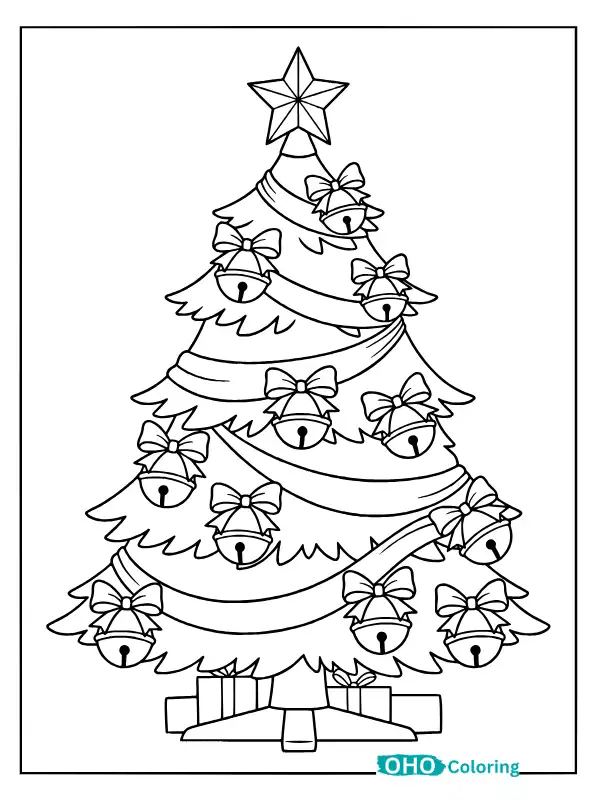
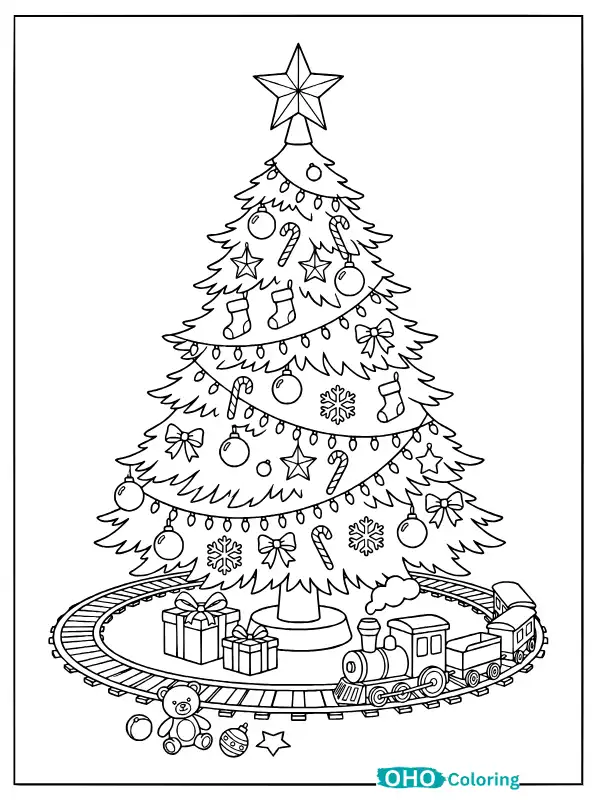
After the star, kids’ eyes naturally drift down to the boxes under the tree. That’s why the second page holds their attention the longest. It has ornaments, candy canes, ribbon bows, and popcorn garlands, with a whole pile of presents stacked below. Our daughter says someone’s name out loud for every box as she colors it. This one is for Grandma, this one is for Dad, and the biggest one is, of course, hers.
As she colors, she often asks when people started putting lights on trees. Long ago, people lit real candles, which was pretty dangerous. Then in 1882, in New York City, Edward Johnson, a colleague of Thomas Edison, hung the first electric lights on his Christmas tree. After hearing that story, she starts adding little lights to the page herself.
The Third and Fourth Trees: A Smiling Face and a Pine in the Snow
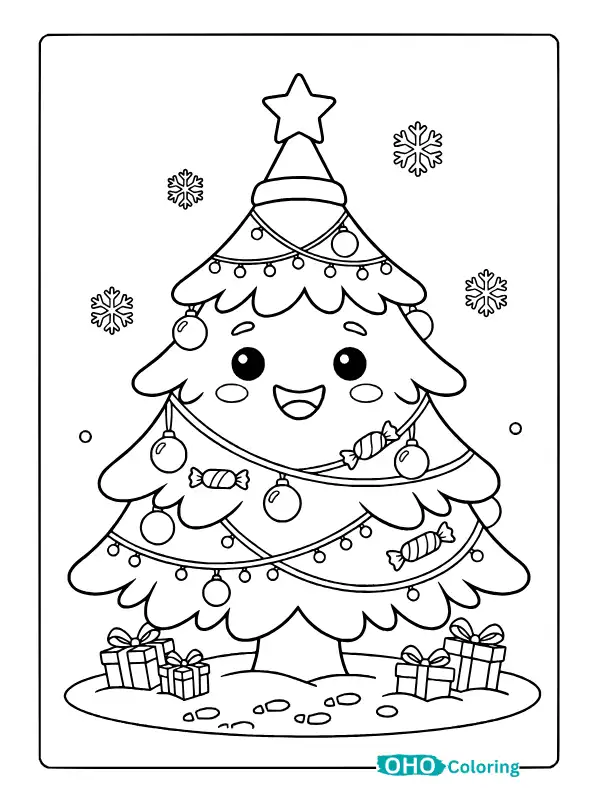
Since we’re talking about real trees, the next page is all about giggles. The tree on the third page has a wide smile, round button eyes, rosy cheek circles, and a star hat. There are no color rules here. One child made its cheeks blue because, as far as he was concerned, the tree was cold. Pages like this help kids learn to recognize facial expressions and talk about their own feelings.
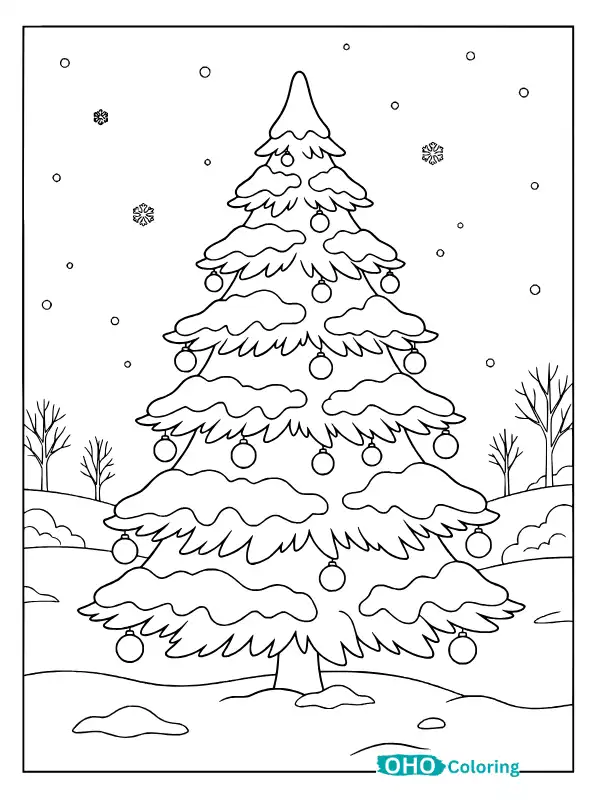
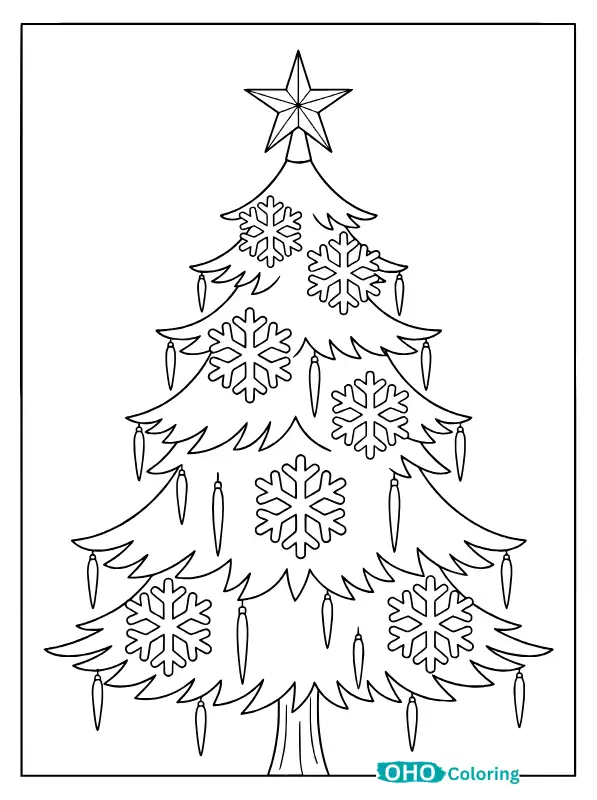
And speaking of cold, the fourth page takes us right into that season. The tree has stepped outside and stands in the snow, with a thick cap of snow resting on every tier. Evergreens like pines and firs have thin, needle-like leaves covered in a waxy coating, which is why they stay green all winter instead of dropping their leaves.
Their triangular shape helps too, because heavy snow slides off and the branches are less likely to break. On this page, leave the snow white and color the sky behind it a pale blue or purple. Against that darker color, the white snow pops right out.
The Fifth Tree: A Gingerbread Tree Covered in Sweets
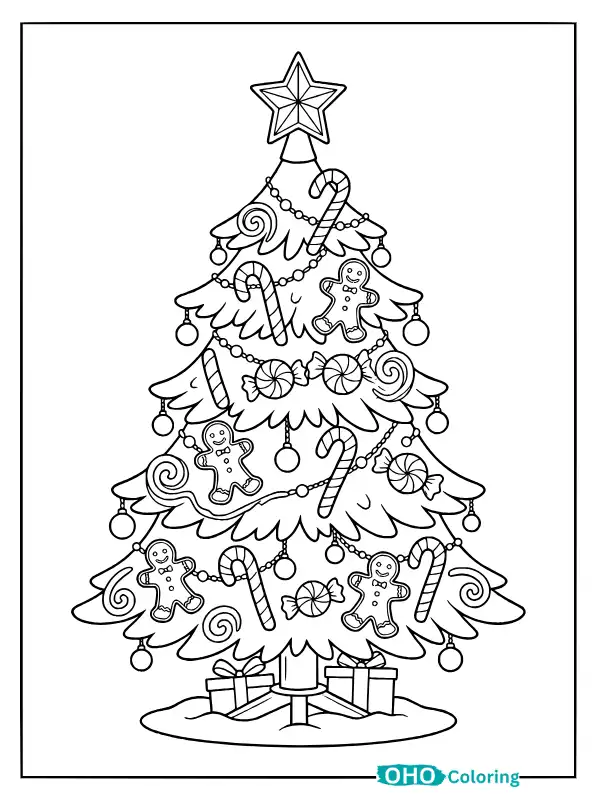
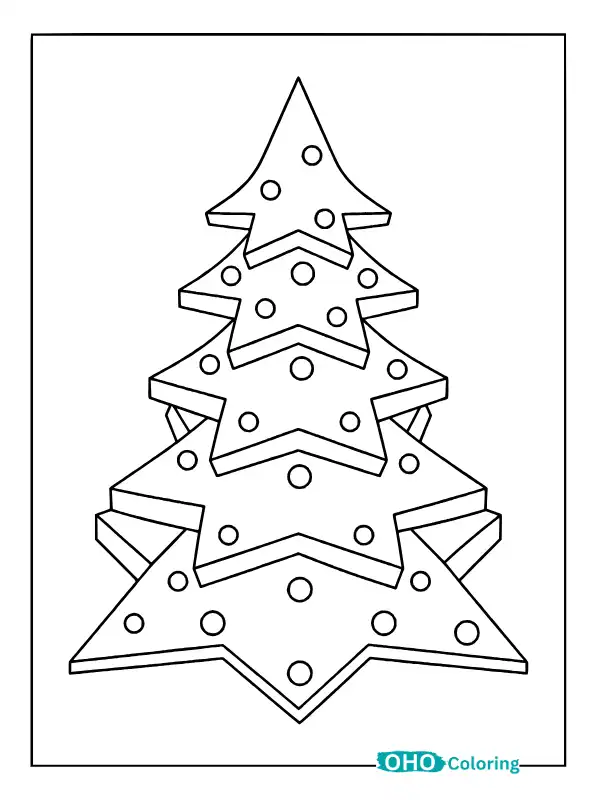
After a tree shivering in the snow, something sweet feels necessary. The tree on the fifth page is decorated entirely with treats, including striped candy canes, gingerbread men, peppermint candies, and swirls of icing. The story goes that Queen Elizabeth I of England had gingerbread cookies made in the likeness of her guests.
Tell the kids that one, then ask them to color a cookie that looks like each person in the family. Keep three shades of brown handy, and the cookies will look like they just came out of the oven.
Easy way to color a Christmas tree
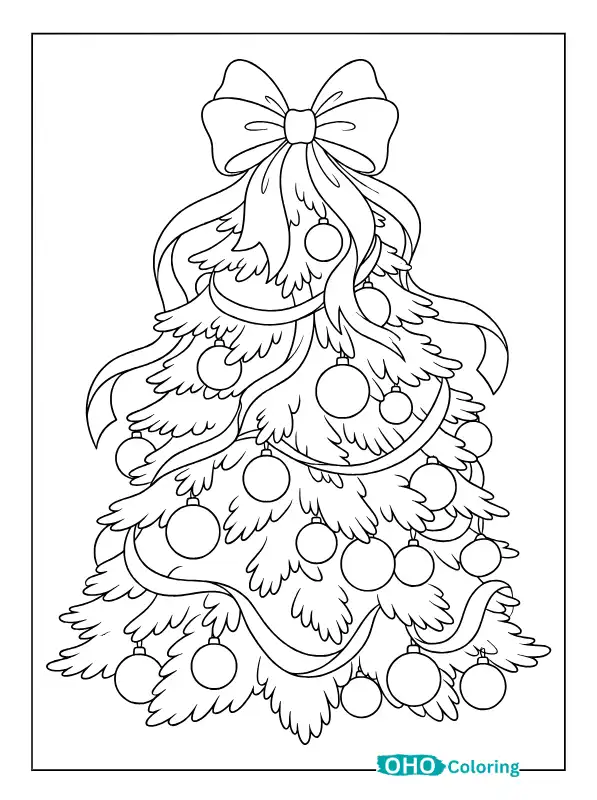
We’ve picked up a few tips from experience while coloring trees like these. The first is not to let green stay just one green. Use a light green for the top tier and make the color a little darker as you work down, and the tree gets depth on its own. The same idea works for ornaments. Leave one small spot on each ornament uncolored, because that blank space works like a shine and makes the ornament look like glass.
Speaking of shine, save the glitter pens or gold markers for the star and a few chosen ornaments. When everything sparkles, nothing stands out. Here’s another trick that works well with younger kids. Let them fill in the big areas first, like the trunk and the present boxes, and save the little parts for later. That way they don’t get frustrated by every tiny space.
When the page is finished, stick it on the fridge. Every time your child walks into the kitchen, their own decorated tree will be right there, smiling back.