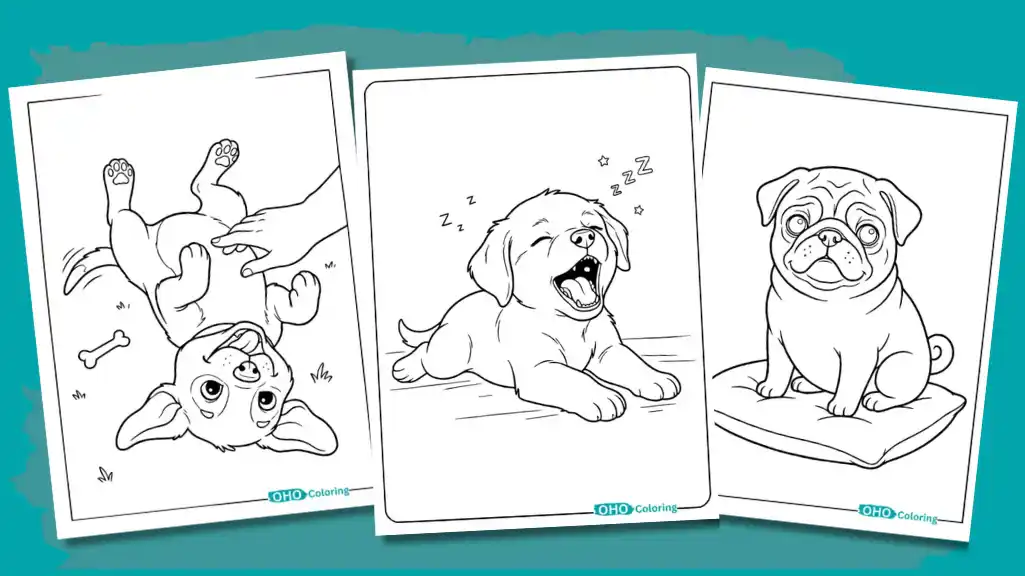
Toby has only been with us for a week, and he has already turned our house into a puppy playground. Every picture in these Puppy Coloring Pages came out of one of his days. The first morning, he spotted his own tail beside the kitchen counter and spun in circles until he flopped over, dizzy and proud. My daughter Emma laughed so hard she could barely speak.
When she finally caught her breath, she said, “Mom, can you put him on paper? I’ll color him in.” I started sketching that very evening, and the sketches kept growing until they filled a whole collection. In the pages below, you’ll follow Toby through one full day, from his morning zoomies to his late-night nap, along with some true facts about puppies that Emma picked up as she colored.
Featured Puppy Coloring Pages
Pick a puppy, tap the picture to open it, and download the high-resolution PDF. Each sheet prints cleanly on regular letter-size paper.


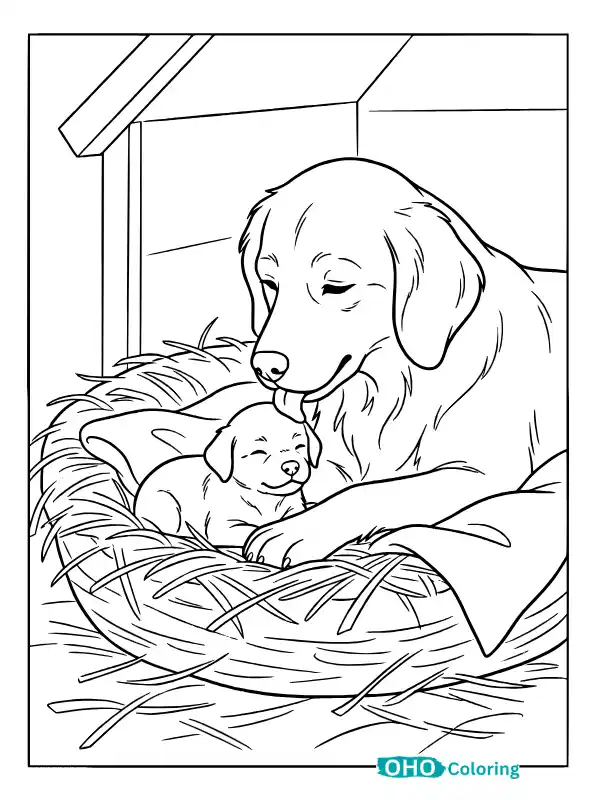


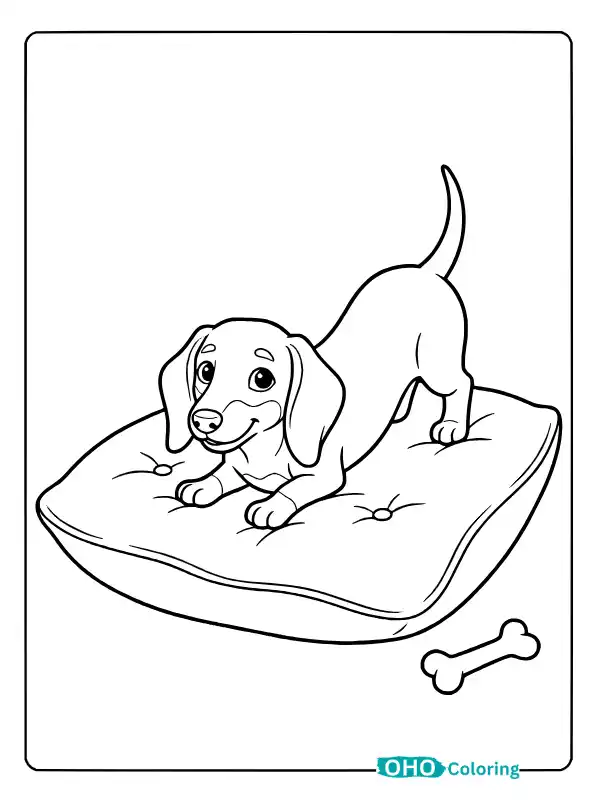


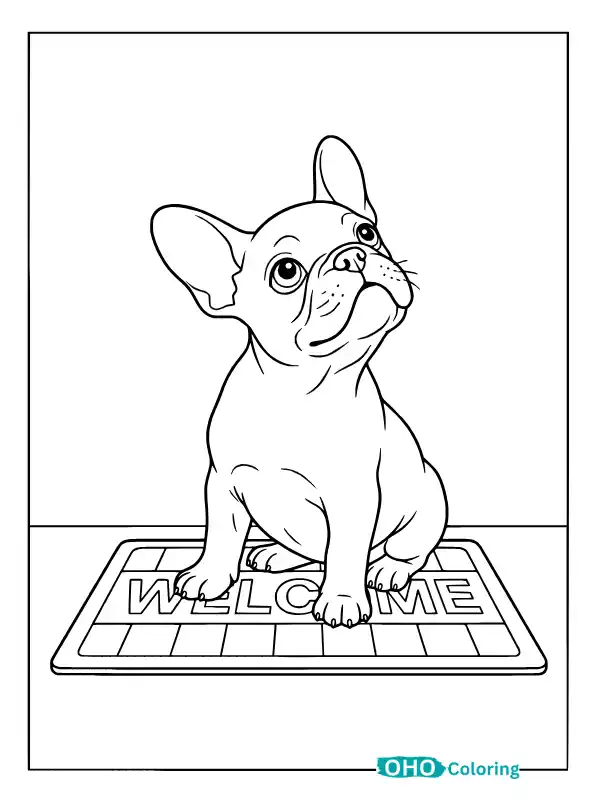

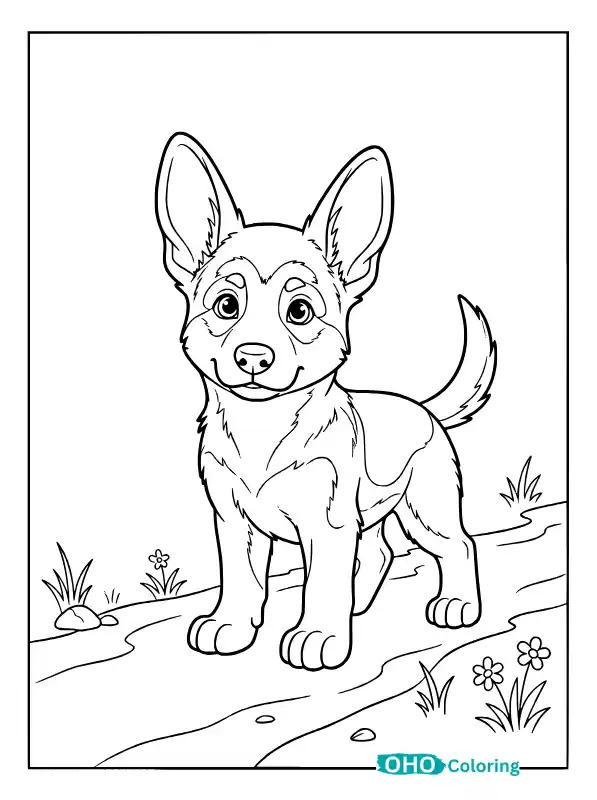

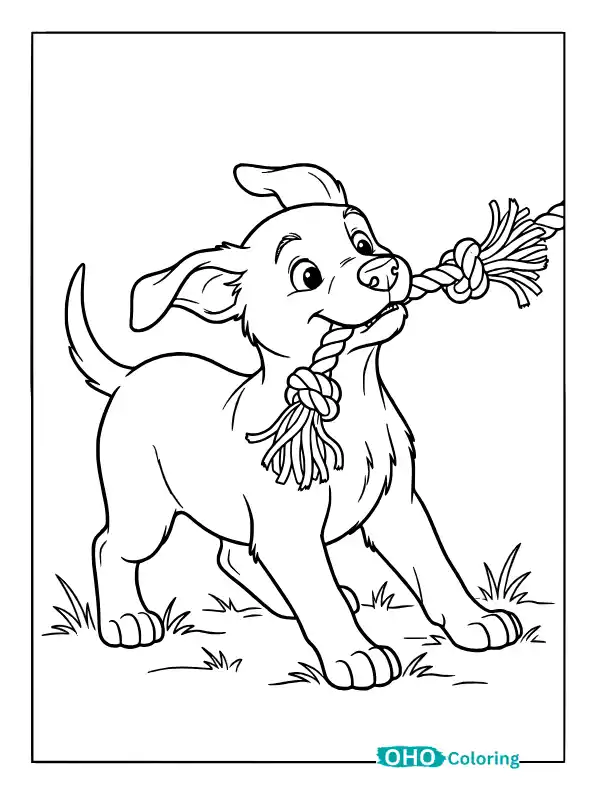




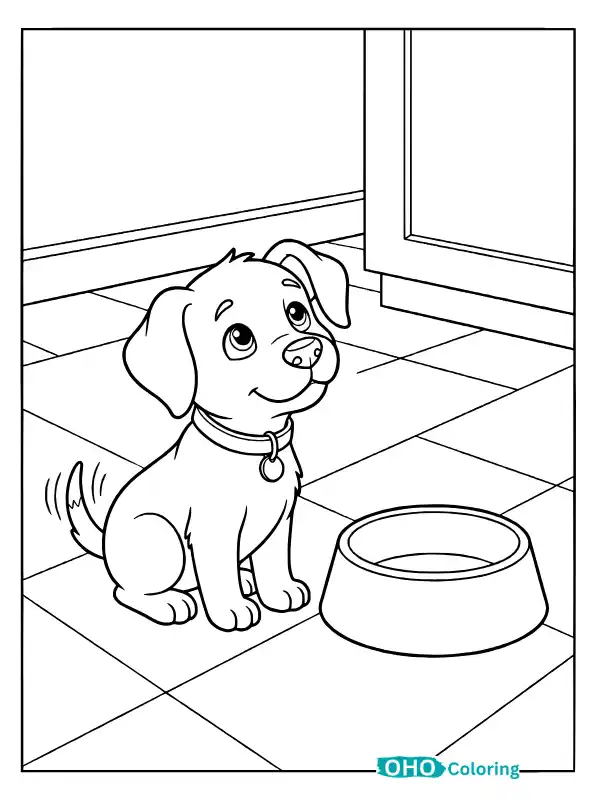


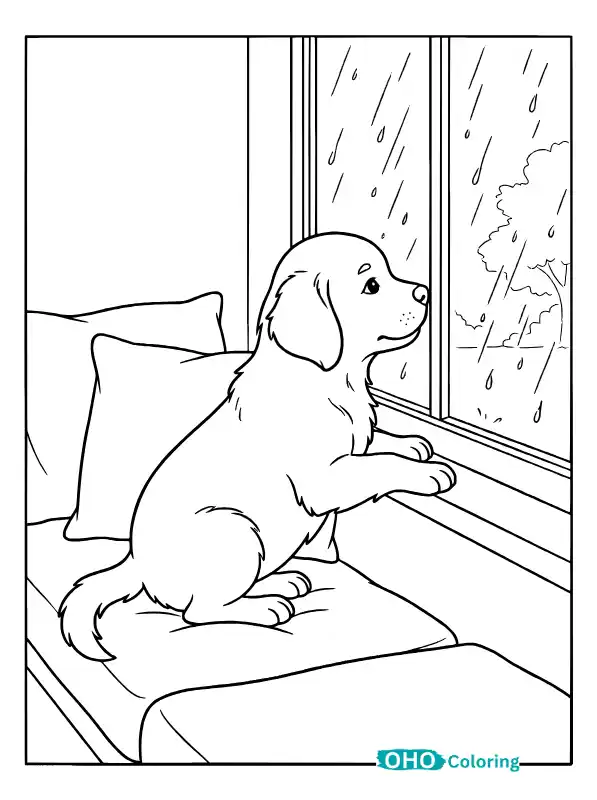
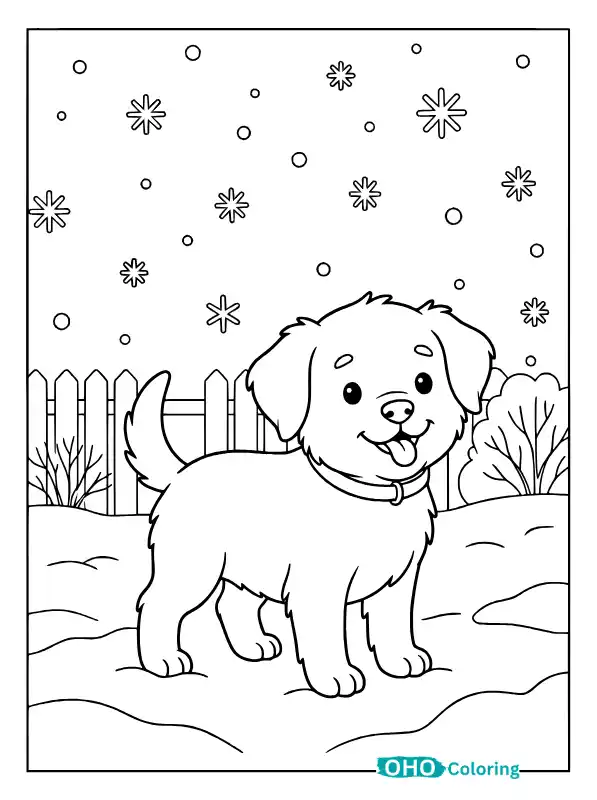
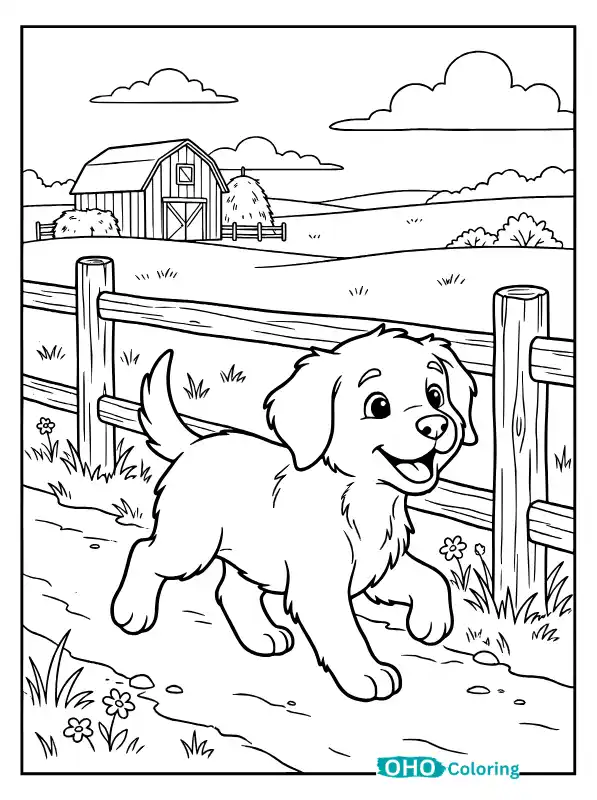


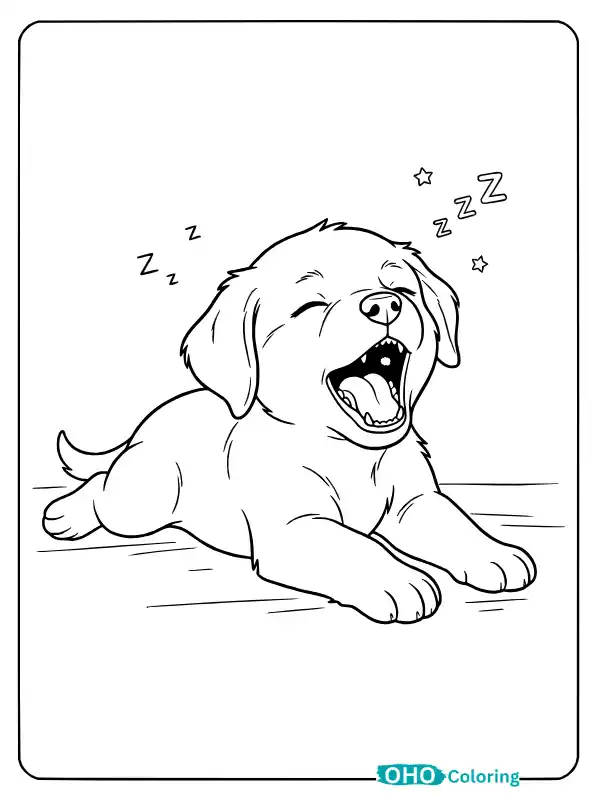
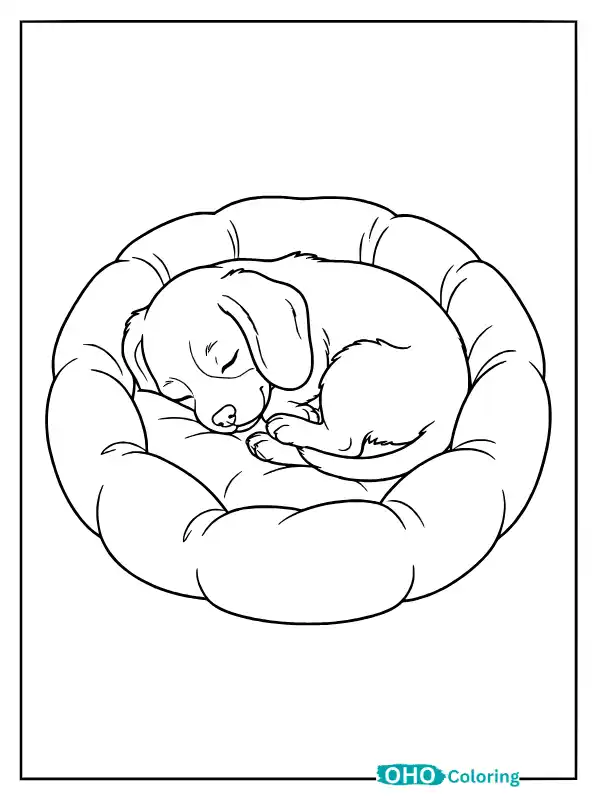
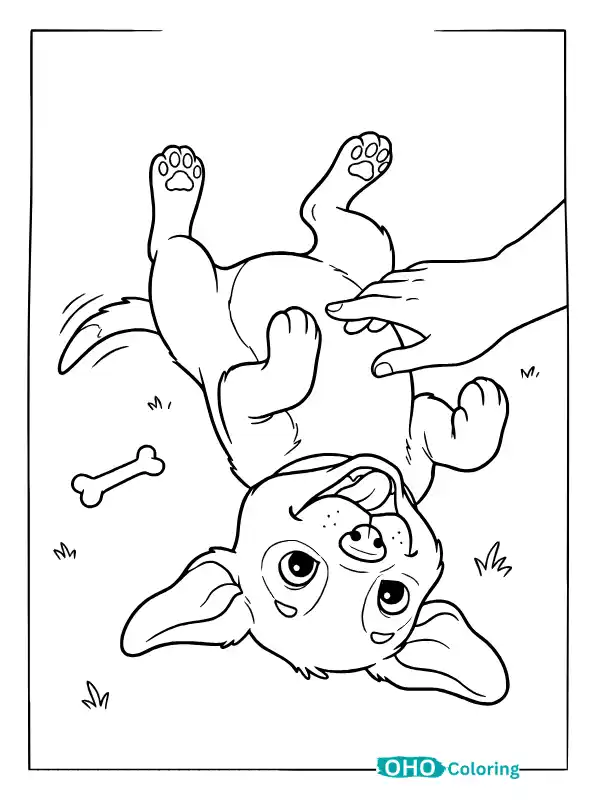

Meet the Puppies Behind the Coloring Pages
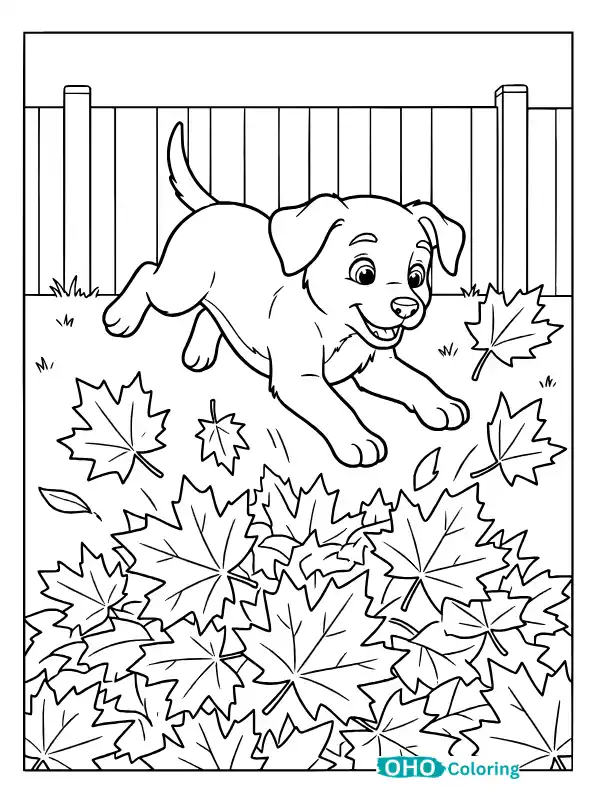
Puppy Chasing His Tail in Circles
Toby’s mornings always start the same way. The moment he opens his eyes, he spots his tail and starts spinning in circles around the backyard to catch it. Those sudden bursts of energy in puppies are called “zoomies.” Emma began coloring with this very page. She used green for the grass and added yellow streaks, and the page looked like it was really running.
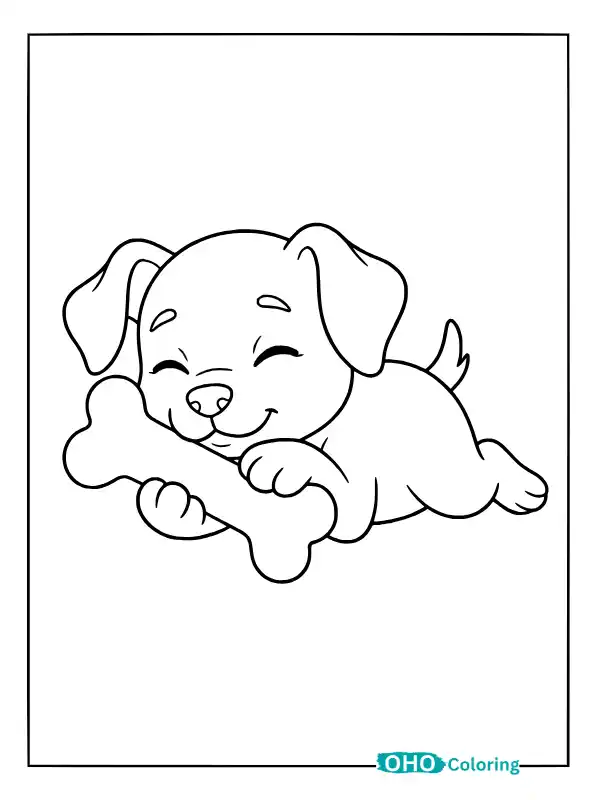
Puppy Chewing a Slipper: The Story of Baby Teeth
Worn out, Toby headed straight for the porch, where my slipper was sitting. He picked it up and started chewing. That’s not mischief, it’s a need. A puppy’s 28 baby teeth fall out between four and six months of age, and 42 adult teeth grow in, so chewing soothes sore gums. In the picture, he’s squinting and gnawing on a rubber bone. Emma colored it bright blue, “so it looks better than the slipper.”
Beagle Puppy: The Nose-First Detective
To save the slipper, we took him to the park, where we met a beagle puppy. He left all of us behind and followed a scent with his nose to the ground. A beagle’s sense of smell is considered among the sharpest of any dog, which is why beagles are even used to check luggage at airports. His long ears were brushing the ground and his tail stood up like a flag. Use dark brown on the ears and a lighter shade along the edges, and those droopy ears will look real.
Corgi Puppy: Short Legs, Big Speed
Before the beagle had finished his scent trail, a corgi puppy shot off across the grass. His legs are short, yet he was running faster than Toby. His roots go back a long way, because this breed once herded cattle by giving their heels a quick nip. Toby just stood there watching, and Emma laughed and said he must be embarrassed about his speed today. In this picture, blades of grass fly through the air, so blending two shades of green works well here.
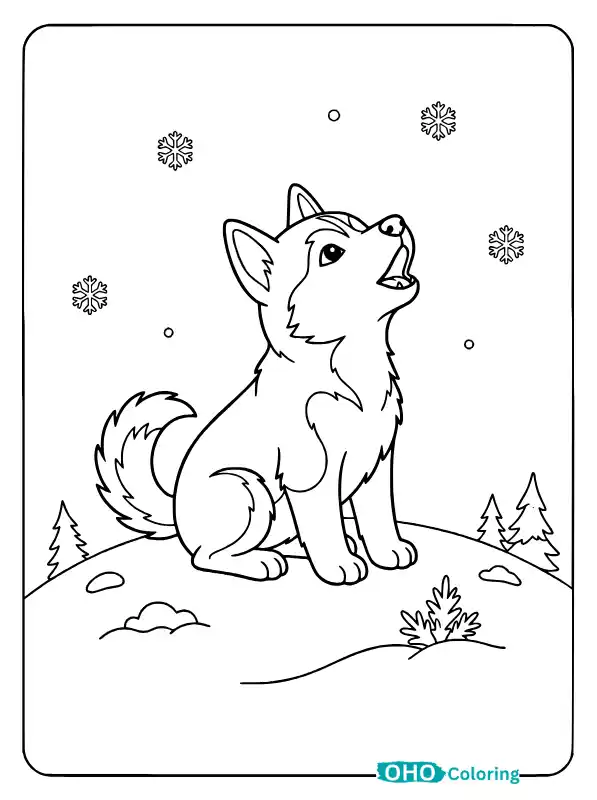
Husky Puppy: The Head-Back Howler
On the way home that evening, a long “awooo” drifted over from the neighbor’s house. Their husky puppy was singing with his head tipped back, and Toby’s ears shot straight up. Huskies bark less and howl more, because, like wolves, it’s their way of sending a message over long distances. Emma asked who he might be calling. With a gray and white mask on his face and pale blue eyes, this page stands out from the rest.
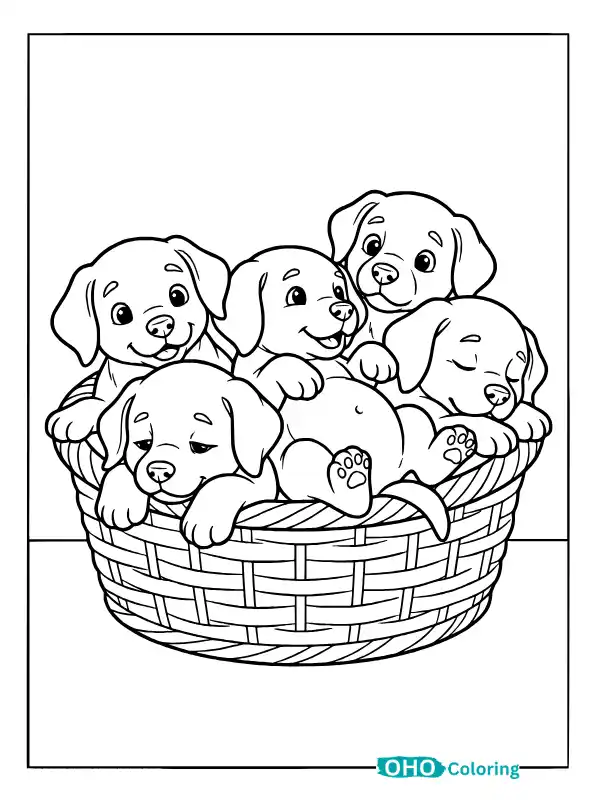
Sleeping Puppies: Siblings Piled in a Basket
After all that running, Toby dropped into his bed as soon as night fell and was asleep within minutes. Young puppies sleep 18 to 20 hours a day, and when they’re with their littermates, they pile on top of one another to stay warm. In this picture, five puppies lie in a wicker basket with their paws draped over each other. Give each puppy its own color, or you won’t be able to tell whose belly is whose.
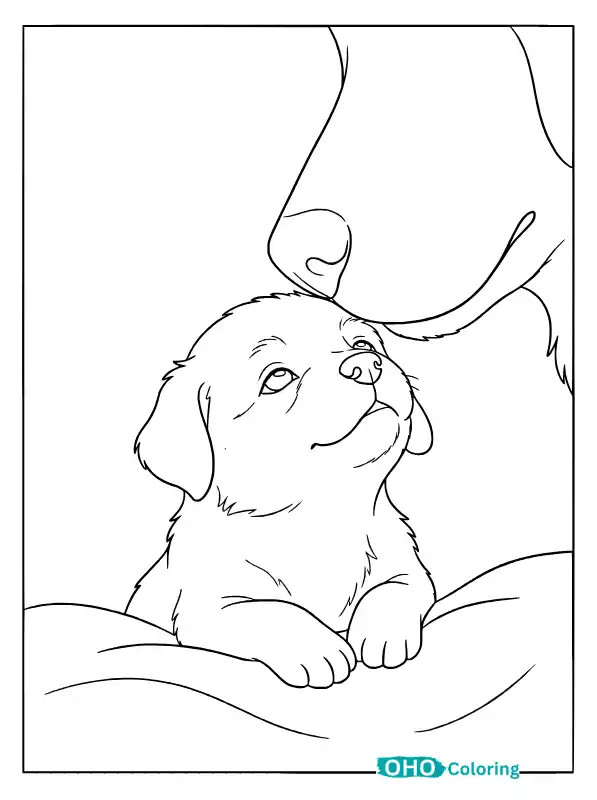
Newborn Puppy: When the Eyes Open for the First Time
Looking at sleeping Toby, Emma asked what he looked like when he was very little. I told her that newborn puppies are born with their eyes and ears sealed shut. They find their way by their mother’s scent and warmth. After about 10 to 14 days, their eyes open halfway, and for the first time they see a blurry shape of Mom’s chin. This page shows that very moment. Use a light brown near the eyes and leave one small spot white, and that’s what makes the eyes sparkle.
Easy Tips for Coloring Puppy
Emma picked up a few coloring tricks from Toby’s day, and here they are. For fur, instead of filling it in with one heavy color, she blended two close shades with a light hand. Dark first, then the lighter one on top. The thin white gaps that are left look just like strands of hair.
After the fur comes the nose. Fill it with dark brown and leave one tiny white dot on top, because that’s how a wet, shiny nose looks. Color the eyes last, so the puppy’s expression shows up clearly. Leave a small spot near the pupil empty for the light.
Once the puppy is done, fill in the background with light colors so he stands out. Pastels work well for grass, rugs, and baskets. If you want to match a breed, try golden for a golden retriever, gray and white for a husky, and brown, black, and white for a beagle. Keep one page where your child makes a puppy in any color they like, blue or purple, because there are no mistakes on that one.
And if the color slips outside the lines, don’t worry. Turn that spot into grass or a rug. Those pages often turn out to be the most interesting ones. When you’re finished, write the date and your child’s name on the page. A year from now, Emma will look at hers and ask why she made Toby green.
One Last Thing
If you have a Toby at home, or your child is simply crazy about puppies, print any of these pages and set it in front of them. How the colors turn out doesn’t matter. If a blue or purple puppy shows up at your house like Emma’s green one, keep it safe. You’re welcome to send us a photo of a finished page, and we’d love to see it.