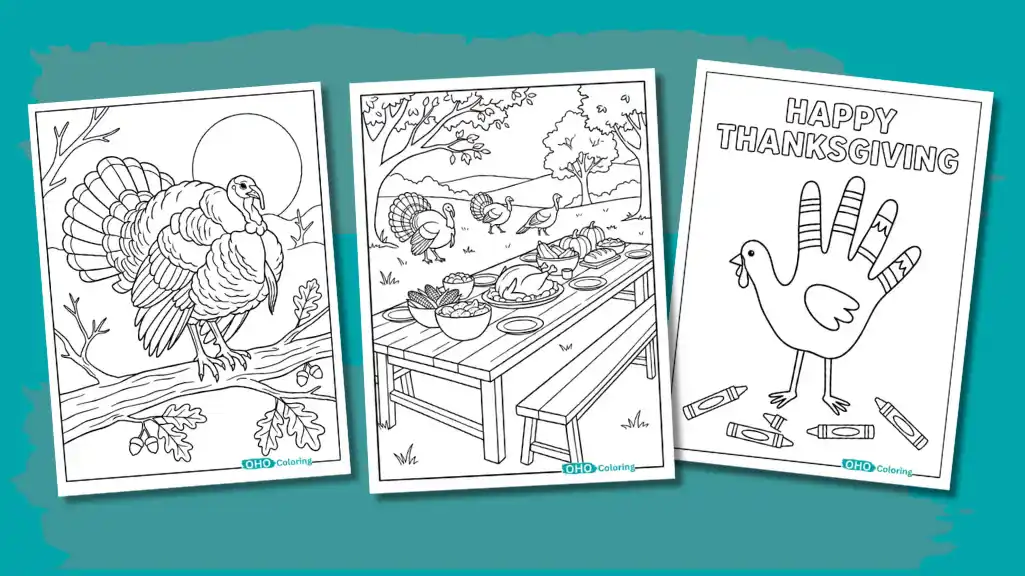
When the fourth Thursday of November gets close, our kitchen fills with the smell of cinnamon, and the kids settle in at the dining table with a box of crayons. This year I put together a full set of Thanksgiving Coloring Pages, with all the swagger of the turkeys and the golden sunshine of the pumpkin patch.
Every year my daughter asks the same question: why does a turkey fan out its tail like a hand fan? While hunting for the answer, we learned so much about wild turkeys that the conversation became part of coloring time at the table. Print the pages below, keep some colored pencils and a glass of water nearby, and let the kids decide which page gets the first color.
Download Thanksgiving Coloring Pages







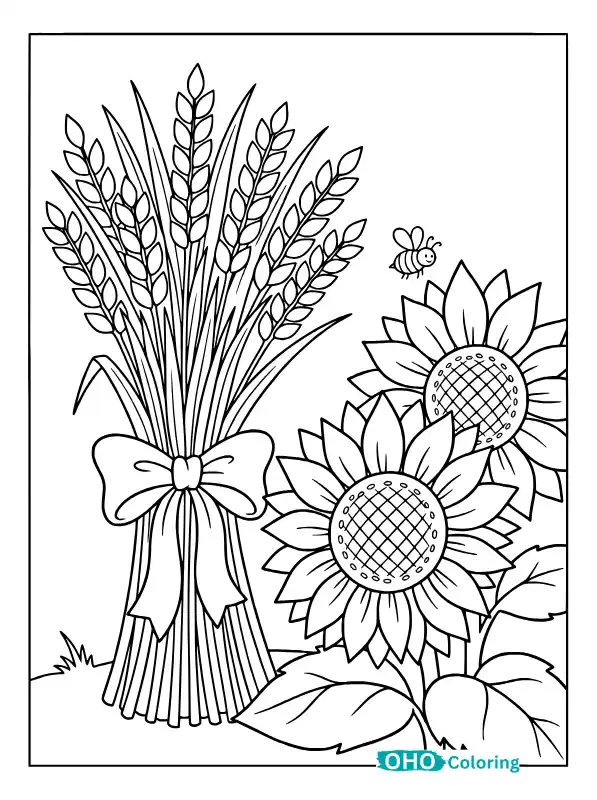
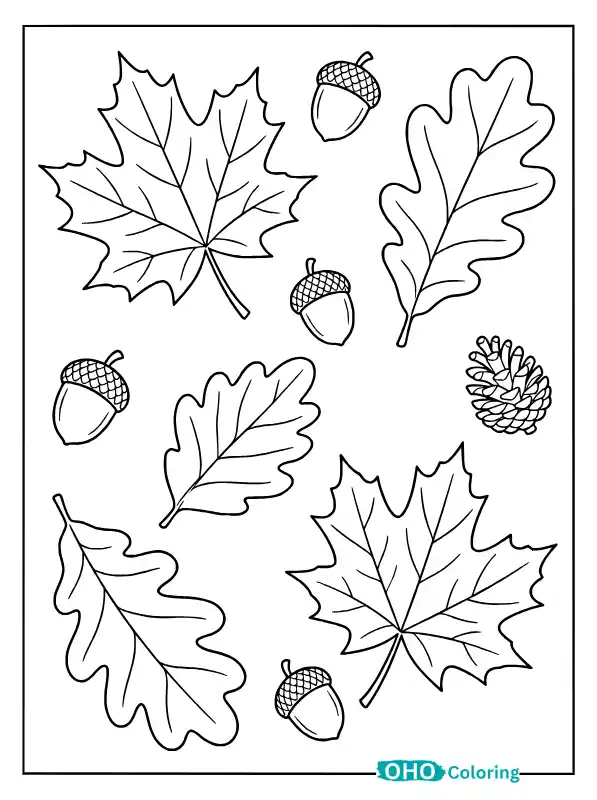
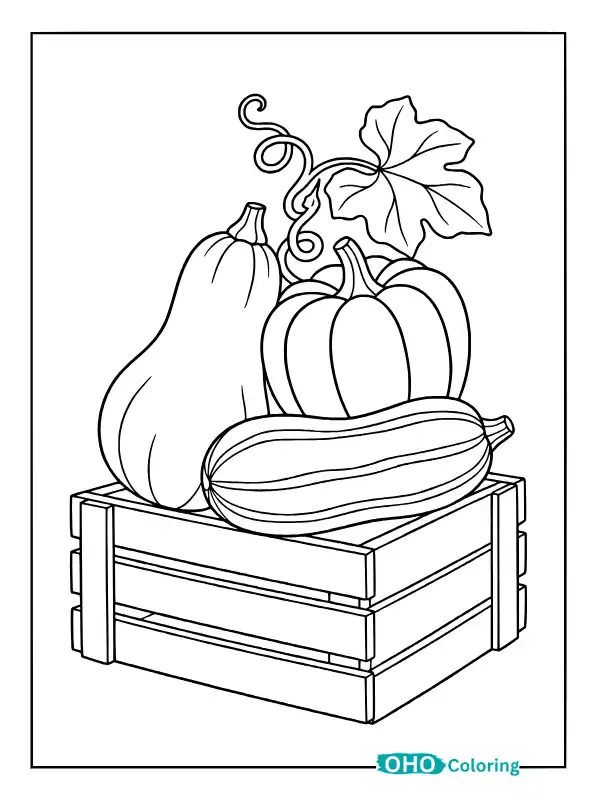

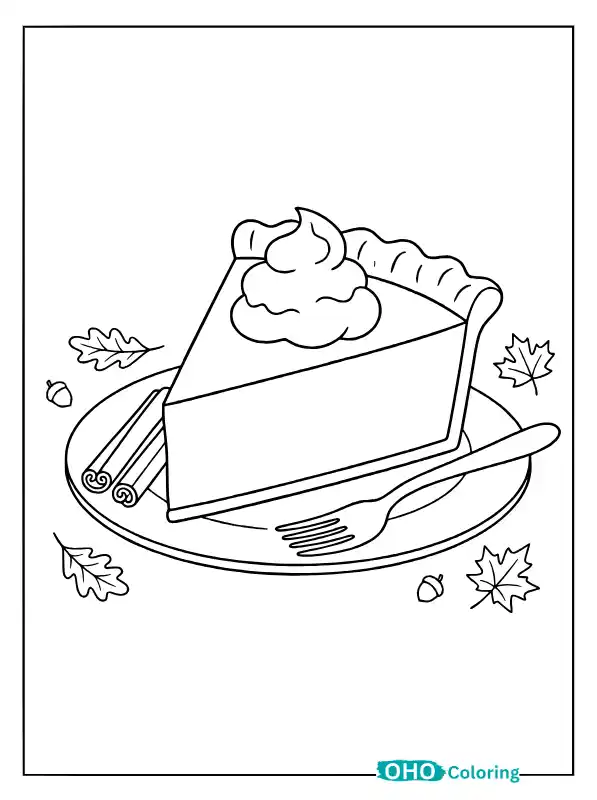


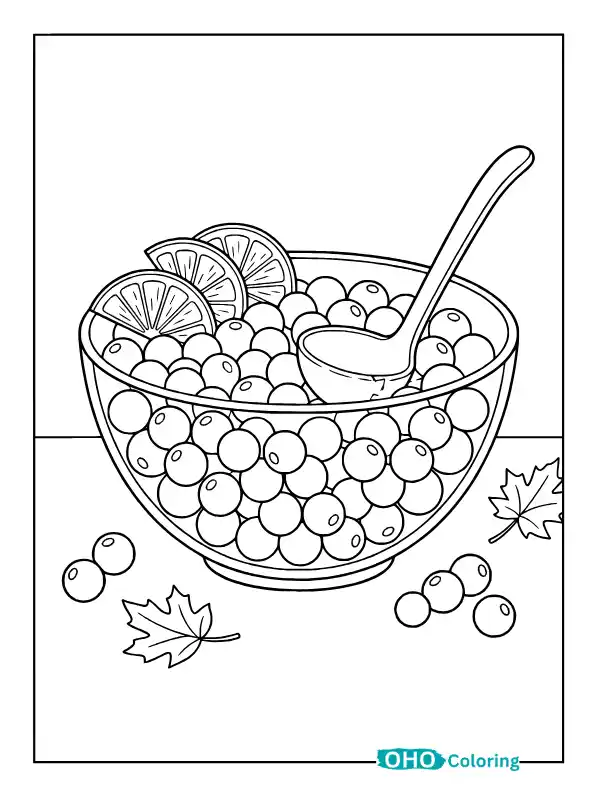

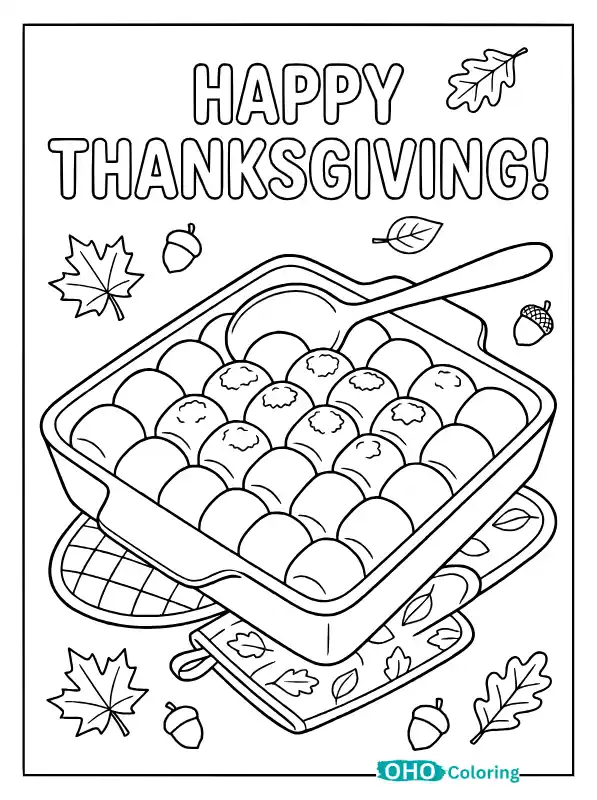


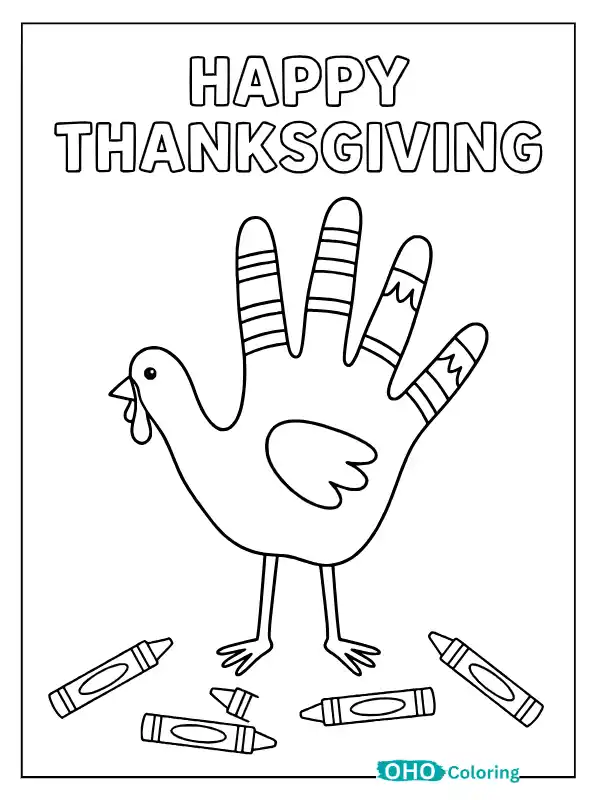


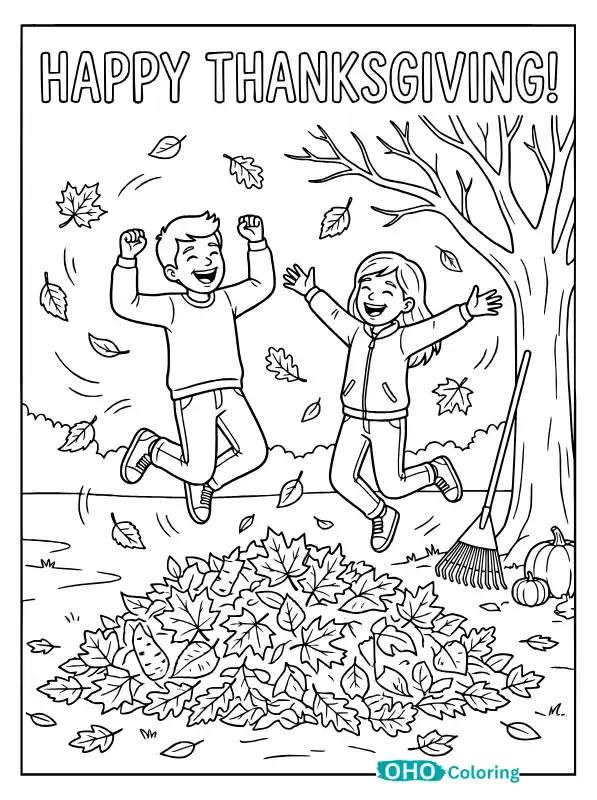






Thanksgiving Coloring Pages Highlights
Why Does the Tail Fan Open Like That?
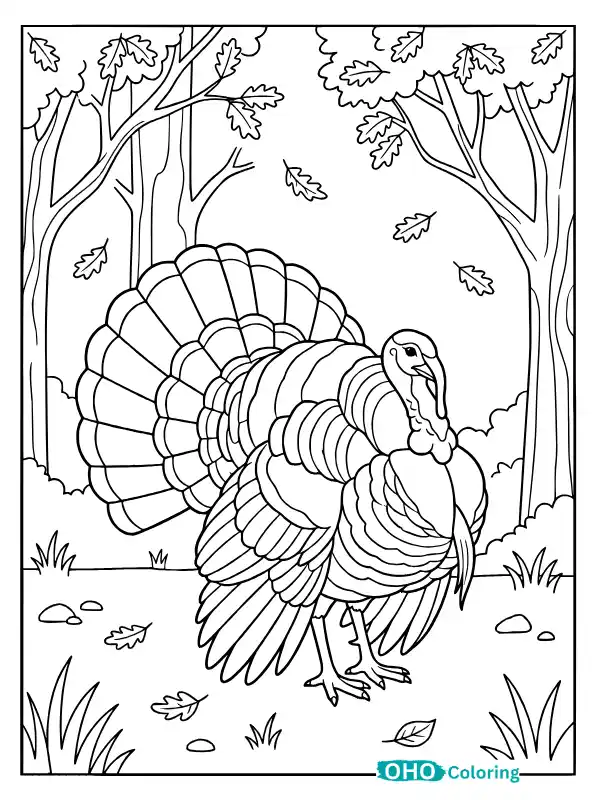
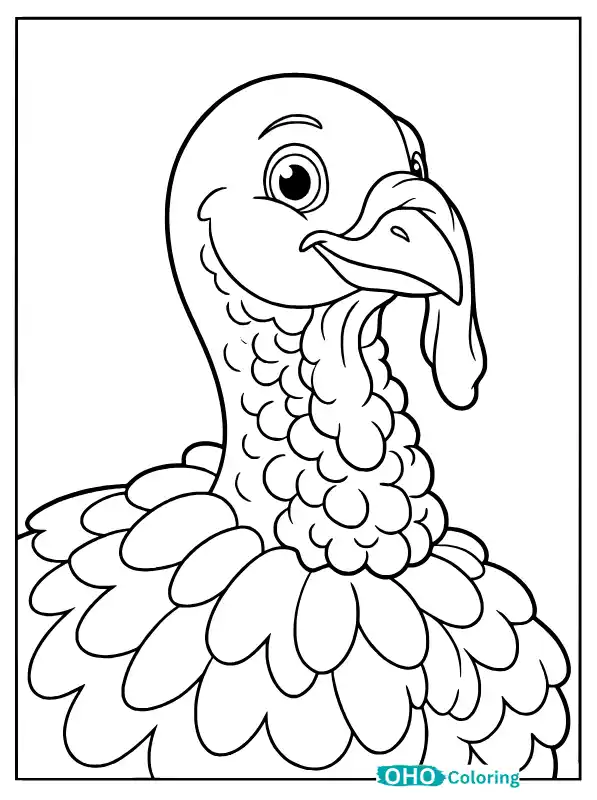
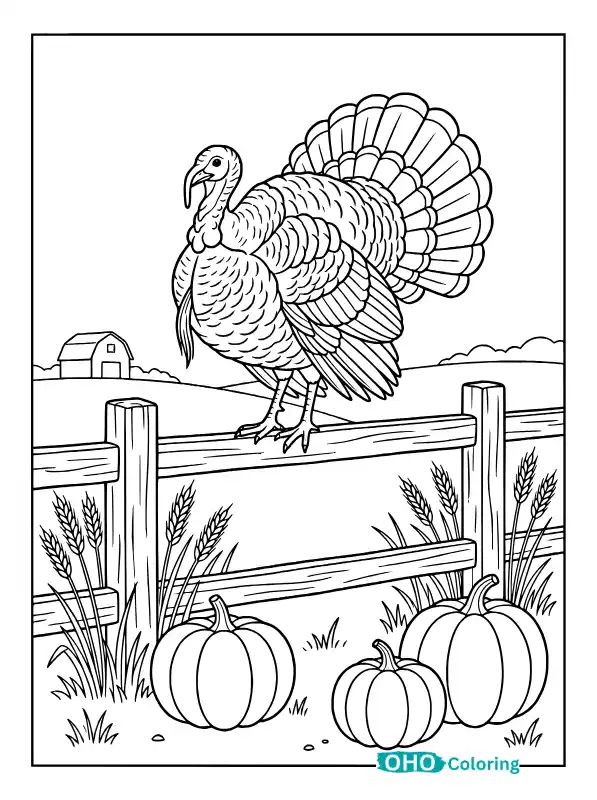
We went looking for the answer to that question in the tom turkey page first, where he stands at the edge of the woods with his tail opened into a full half circle. A male turkey is called a tom, and he does this display to win over a hen. That’s why he drops his wings and puffs out his chest to look as big as he possibly can. All that strutting shows off his face, too: the red-and-blue bumpy skin on his head, the snood dangling over his beak, and the wattle swinging under his chin.
My daughter loved those names so much that she immediately asked for the close-up face page as well. On both pages the head got light and dark shades of red and blue, and each band of the tail took brown, orange, and cream in turn. While coloring, she asked what the hen does when the tom is strutting around all dressed up.
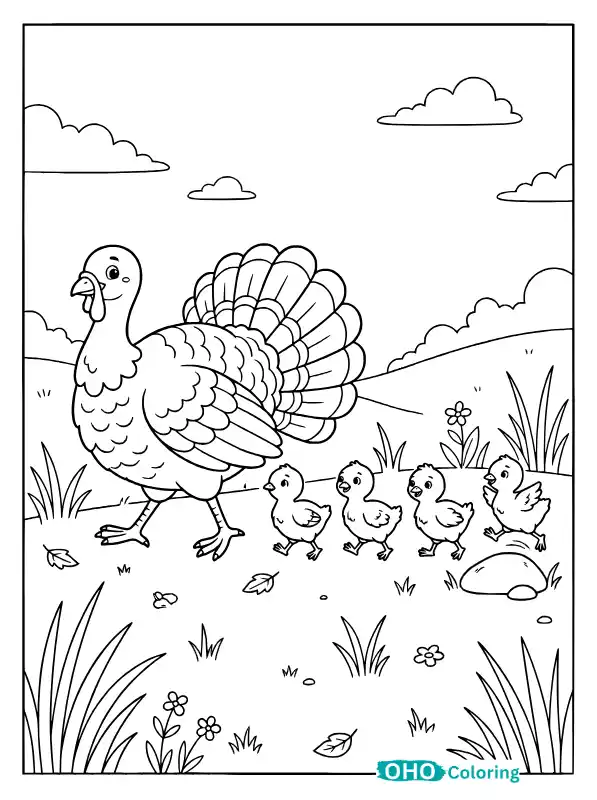
The Turkey and Her Five Poults
The answer showed up on the next page, where the hen walks ahead through the grass with five round little poults lined up behind her. Baby turkeys are called poults. The hen lays her eggs in a leaf-lined hollow on the ground, and within about a day of hatching the poults are already following her around. My daughter found that so amazing that she pulled out the page with the poult peeking from its egg, too. The poults got yellow and light brown, and the speckles on the eggs were dotted in with the tip of a pencil. Then she asked where such tiny babies sleep at night.
Night in the Oak, Daytime Under the Acorns
That question about bedtime took us to the oak branch page. As evening falls, the whole flock flies up into the trees so foxes and coyotes have to stay down below. My daughter was sure turkeys couldn’t fly at all, but wild turkeys can fly short distances quite well.
At sunrise the same flock comes back down to scratch through the ground for acorns, nuts, seeds, berries, and insects. That’s why the page of the turkey pecking acorns belongs right next to the nighttime page. A beetle and a mushroom are hidden in it, and hunting for them turned into a game. On the night page the sky got deep blue-purple and the moon stayed blank.
From the Acorns to the Cornfield
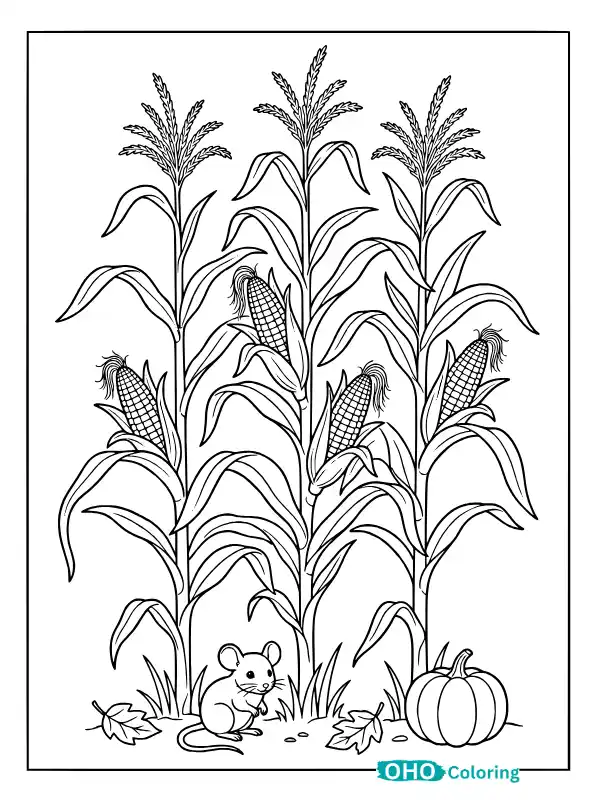
Turkeys searching for acorns wander right up to the edge of the woods, and from there the farm isn’t far. So our next page was the cornfield, where a scarecrow is smiling and a crow on his shoulder seems to have forgotten that the scarecrow was put there to scare him off. The ripe ears of corn reminded me of how the Wampanoag people farmed.
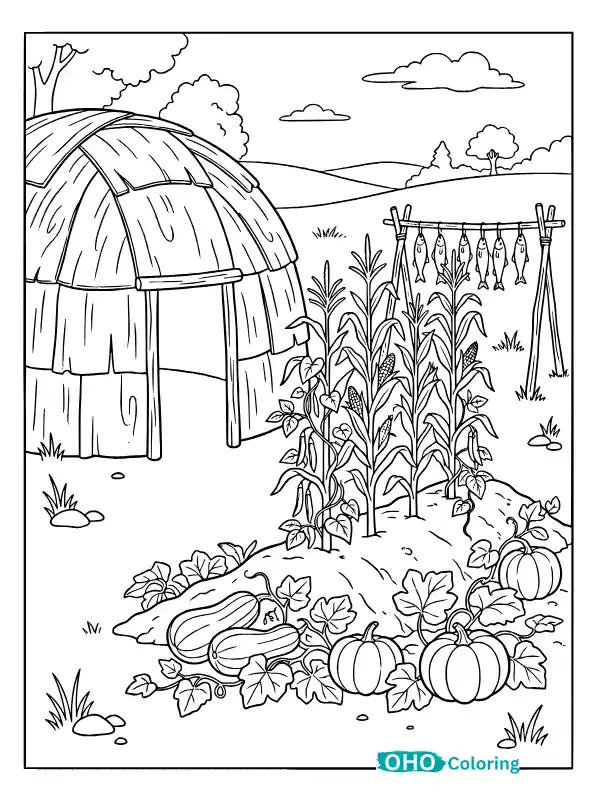
They grew corn, beans, and squash together and called the trio the “Three Sisters,” because the corn stalk gave the bean vine something to climb, and the squash’s wide leaves covered the ground and held in moisture. After hearing that, my daughter used green, yellow, and striped orange on the squash pile page, as if giving each of the three sisters her own identity.
From the Farm to the Kitchen
A few days later that same harvest landed in our kitchen, and the pages came to the table right along with it. The roast turkey, the slice of pumpkin pie, the gravy boat, and the buttered corn on the cob were the pages she colored fastest, because she had actually seen and tasted them all. The pie crust got light brown, and the whipped cream was left as white paper.
When every strip of the pecan pie’s lattice got a different shade, it looked like it had just come out of the oven. As the colors dried, people started gathering around the table, and her next page was all about them.
The Wishbone and the Puppy by the Table
On that page two siblings hold the ends of a turkey wishbone with their eyes squeezed shut, because the belief is that whoever gets the bigger piece gets their wish. The tradition ties to both thanks and good luck. Close by, a puppy eyes a drumstick as if he hasn’t noticed a thing. Sitting right there, my daughter made up the whole story of what the siblings wished for and what the puppy was planning. When the story ended she asked the question every kid asks sooner or later: when did all of this begin?
The Story of the First Thanksgiving Dinner
That question took us back to Plymouth in 1621, where the Pilgrims and the Wampanoag shared a meal after the harvest. The holiday became a national holiday in the 1860s and now falls on the fourth Thursday of November every year. The Mayflower page has waves, and the Pilgrim boy wears a plain tall hat, because Pilgrims did not wear buckled hats or shoes.
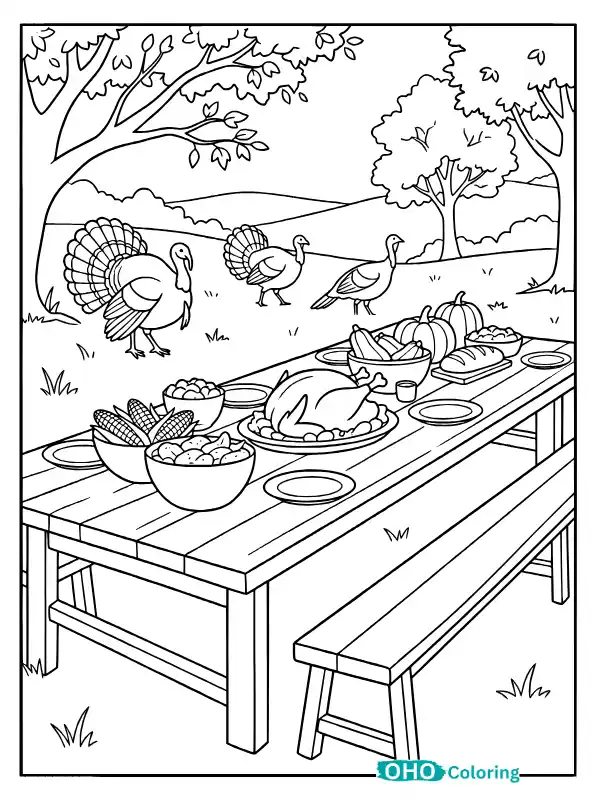
The dome-shaped Wampanoag homes are called wetus, and their pages are drawn with just as much respect. By the time we reached the long table in the backyard, my daughter felt it was the same dinner we have in our kitchen every year, only with a bigger table and more guests.
What Helped Us While Coloring
Coloring all these pages taught us a few things that come in handy every time. We color the big areas first, like the tail or the top crust of the pie, because the page looks full quickly and the child doesn’t wander off in the middle. Then we pick up a sharp pencil for the small things, which works well on the wattle’s wrinkles and the kernels of corn.
We lay down light colors first and dark ones after, because a light color won’t go over a dark one. Putting red, orange, and mustard yellow side by side in the fall leaves and overlapping the edges a little makes the leaves look truly ripe. We leave some spots blank on purpose, like the glow of the moon and the whipped cream on the pie, which lets light show through the page.
For printing, we use slightly thicker paper or cardstock in 8.5 x 11 inch Letter size so even markers won’t soak through. And every finished page ends up on the refrigerator door, where it watches over the Thanksgiving table year after year.