I put this set of winter coloring pages together after one afternoon when the fog was so thick that even the house across the street looked blurry. My daughter was sitting by the window, drawing shapes on the glass with her finger. Suddenly she asked why animals that live in the snow don’t get cold. I didn’t know the whole answer either, so the two of us opened some books and sat down together. We turned what we learned into drawings and then filled them in with color.
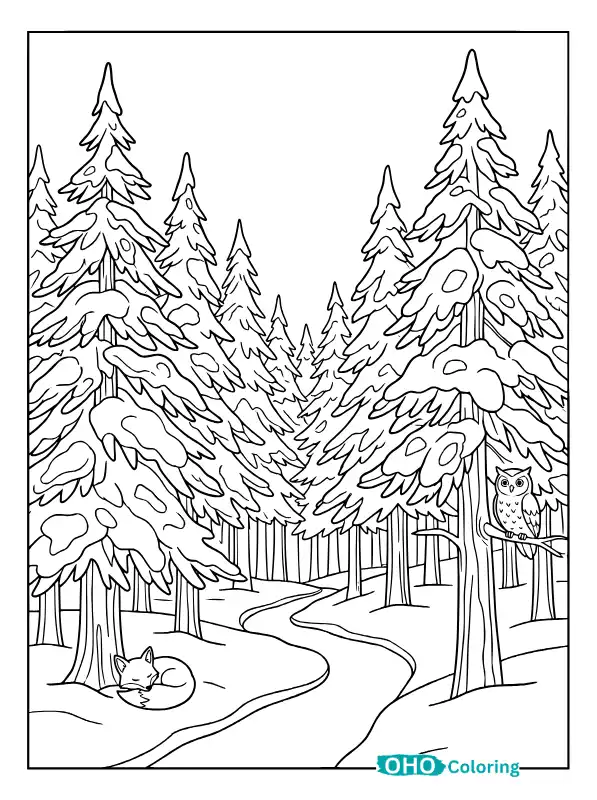
The pages in this set came out of that conversation: a fox walking across the snow, an owl perched on a pine branch, a squirrel digging for walnuts, a bear sleeping in its den, and frost vines spreading across a windowpane. Every page leaves plenty of open space for coloring, so even little ones can finish a whole picture without getting frustrated.
Our Winter Coloring Pages Collection to Print and Color
Tap any picture below to open it, then download the high-resolution PDF and print it at home.





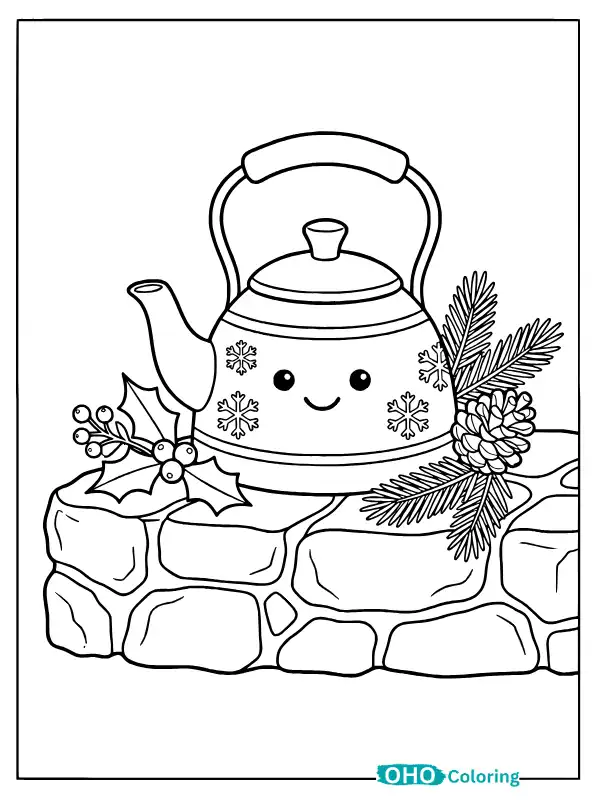

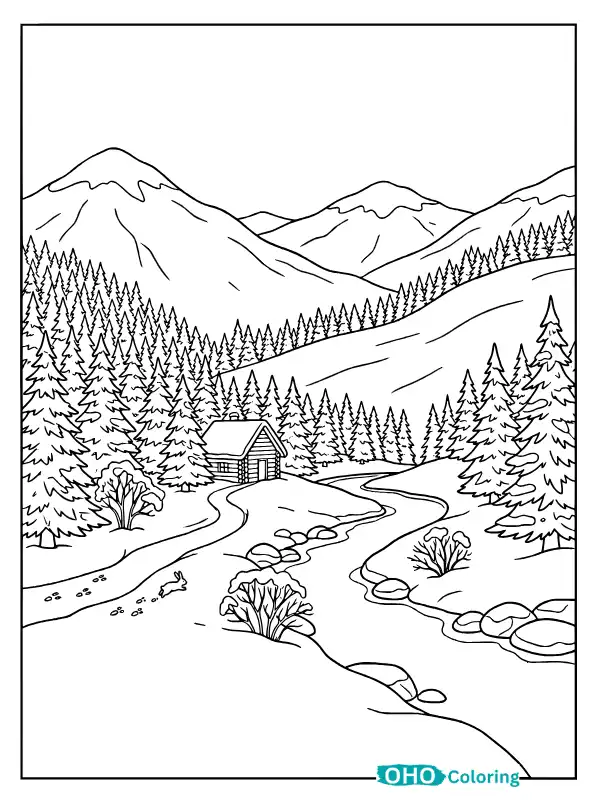
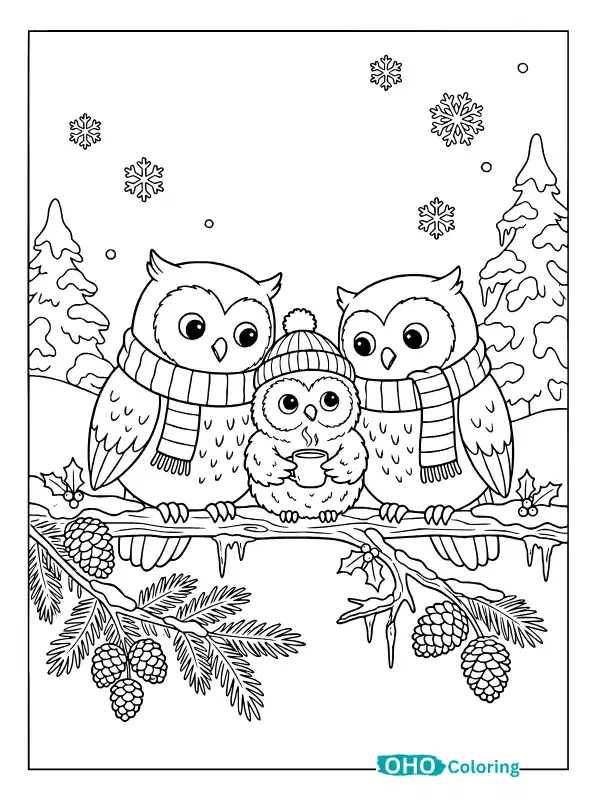


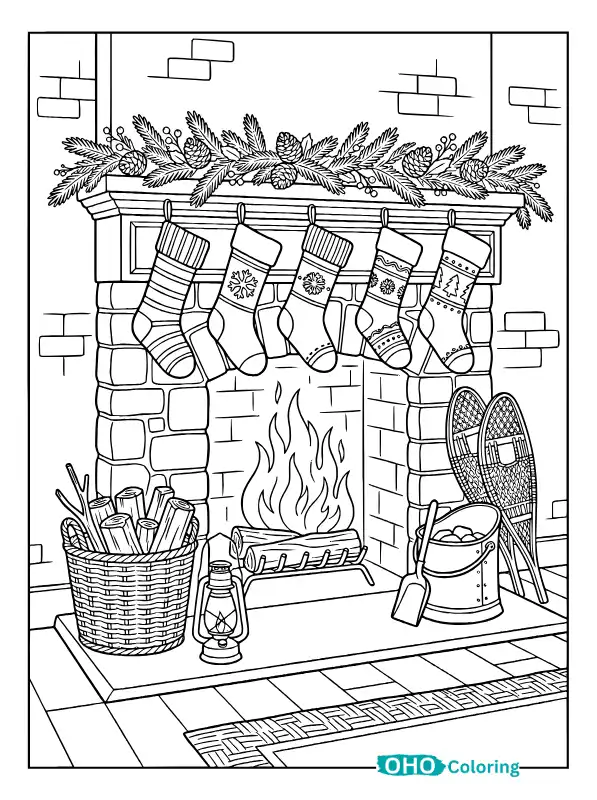





Winter Coloring Page Highlights and the Stories Behind Them
The Arctic Fox, Whose Coat Changes with the Seasons
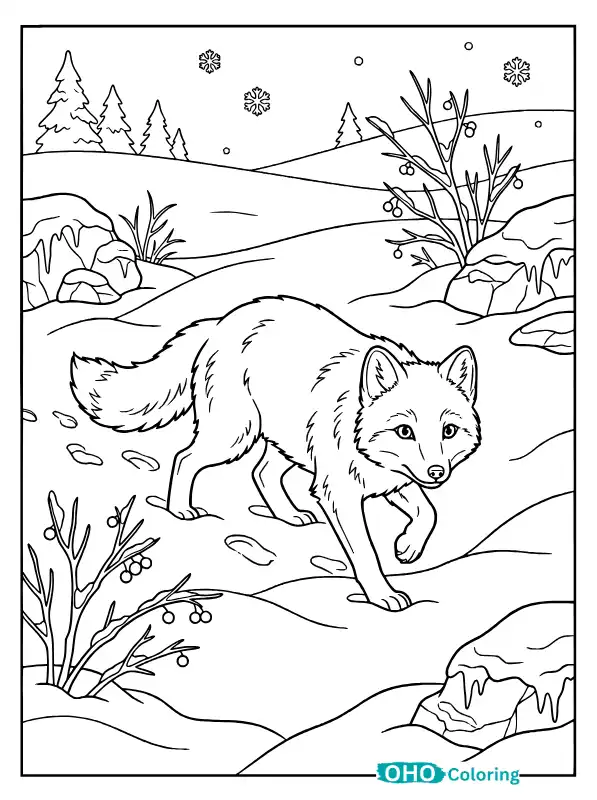
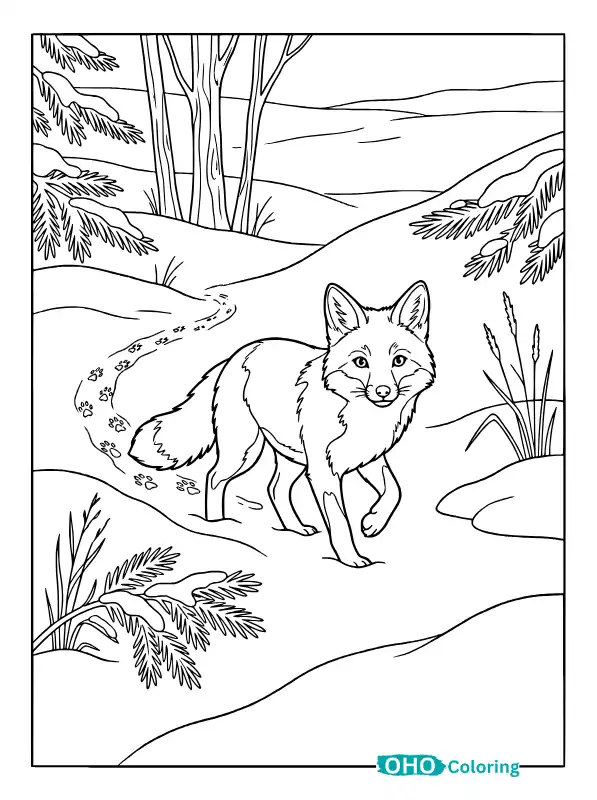
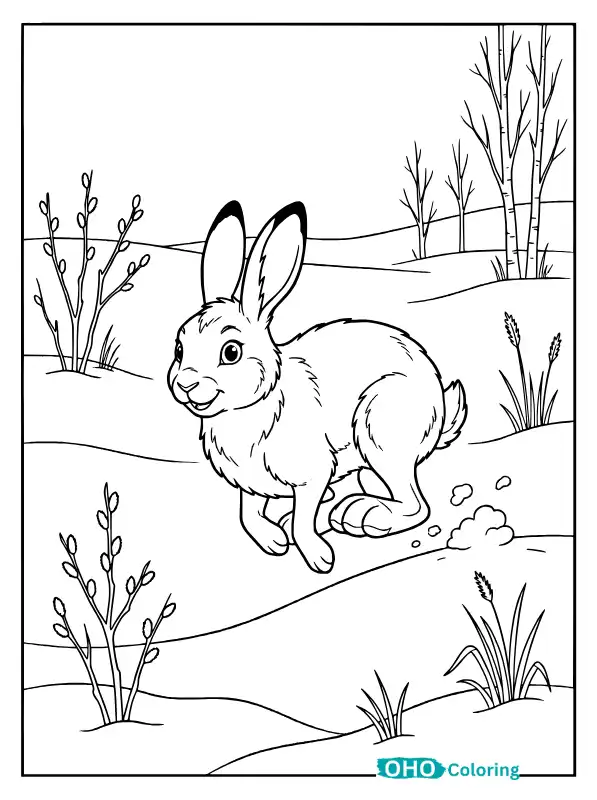
My daughter’s first question came when she saw the fox. In this picture, it’s tiptoeing across the snow with its ears up and its fluffy tail stretched out behind it. The answer was in its coat. In winter, an Arctic fox’s fur turns white, so it almost disappears against the snow, and in summer the same fur turns brownish-gray. The bottoms of its paws are covered in thick fur too, which keeps the cold of the frozen ground out.
When we colored it, we didn’t leave the fur completely white. A little light blue and gray along the edges made the fur look soft and thick.
Snowy Owl: The Daytime Hunter of the North
The small rodent the fox is listening for, a lemming, is also the snowy owl’s favorite food. That’s why we picked the owl for the next picture. It’s sitting on a pine branch, and its yellow eyes look right at you. Its feet are covered in feathers, as if someone had put socks on them. Most owls hunt at night, but in the far north the summer days are very long, so the snowy owl hunts during the day too.
Add small brown-black spots across the feathers. A real snowy owl looks just like that, and the spots really stand out against the white page.
The Red Squirrel and Her Forgotten Walnuts
Look down from the owl’s branch to the forest floor and you’ll see a red squirrel digging through the snow with a walnut in her mouth. She buried these nuts in different spots in the fall, and now she’s sniffing them out. She forgets a few of them. Those stay in the ground and sprout into new trees in the spring. So the forgetful squirrel helps grow the forest, too.
My daughter colored the squirrel’s tail orange first and then added a little brown on top. She said it looked like dry leaves, and it really did look full and fluffy.
The Grizzly Bear, Who Sleeps Through the Whole Winter
The squirrel stored food, and the bear stored fat. After eating all through the fall, a grizzly bear curls up in its den and goes to sleep. For months, its heartbeat and breathing stay very slow, and its body keeps getting energy from the fat it stored. This is the quietest picture in the whole set, and kids often color it last, as if they don’t want to wake the bear.
Fill the den walls with dark brown and purple, and color the bear a light golden brown. Even in the dark, it will stand out.
Ermine: The Tiny Hunter Who Never Hibernates
The bear can sleep, but not every animal gets to. The ermine is a small, quick member of the weasel family, and it has to stay awake and hunt all winter long. That’s why its brown coat slowly turns white at the end of fall. Even so, the tip of its tail stays black. That black tip is the most fun part of this picture. Keep the rest of the body almost white and add a little light brown here and there, so it looks like the coat is still changing.
Frost Vines on the Windowpane
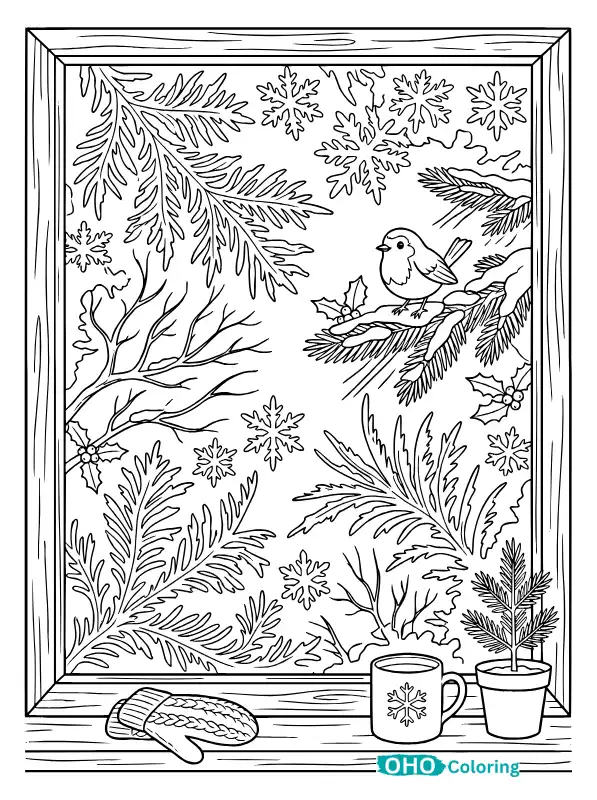
Now let’s go back to the same window where this whole conversation began. On a cold morning, the ice vines on the glass look like someone drew them with a fine paintbrush. The moisture in the air touches the very cold glass and turns straight into tiny ice crystals. Each crystal grows in its own direction, so you’ll never find two windows with the same pattern.
Blue, purple, and silvery gray work well for this picture. Show your child the real frost in the morning, and they’ll decide for themselves which way each vine should grow.
How to Color Snow, Fur, and Frost: 7 Simple Tips for Kids
The biggest puzzle in winter pictures is how to color white things. It’s fine to leave the snow white, but add a light blue or purple shadow underneath. That gives the snow depth on a flat page.
Start with a light hand and make the color darker later if you need to. A small mistake can be erased, and kids feel free to keep going without worrying.
Crayons make a fun trick possible. First, draw a few streaks across the snow with a white crayon, then brush a light blue watercolor over the top. The white streaks will pop right out, like snow blown by the wind.
For animal fur, fill in the color with short little strokes that follow the direction the hair grows. The fox, the squirrel, and the owl all look fluffier that way.
A winter evening sky isn’t always blue. Pink, orange, and soft purple are just as true to life, and kids happily experiment when they’re given that freedom.
If several kids are sitting together, hand everyone the same picture and then lay them side by side afterward. One fox, colored three ways, will come out with three different personalities, and kids can talk about it for hours.
When it’s finished, hang the picture on the fridge or a bedroom wall. When a child sees their own page every day, they don’t hesitate to pick up a pencil the next time.