When we look at the fresh, bright red apples sitting in our kitchen basket, a child’s face instantly lights up with joy. Nature has given these fruits not only unique flavors but also beautiful colors and shapes that naturally draw children toward them.
Fruits Coloring Pages serve as a wonderful medium to bring this natural fascination closer to children through art. When kids see these line drawings right in front of them, they are not just filling paper with colors; they are beginning to feel the texture of each fruit and discover the little mysteries hidden behind nature’s design.
This journey brings them so close to the world of fruits that they effortlessly learn scientific facts right alongside their artwork in a highly playful and engaging way.
Our Favorite Fruits Coloring Pages
Take a look at our printable sheets below and pick the fruits your little artist loves the most! Just click on any image to open and download the high-resolution, print-ready PDF.



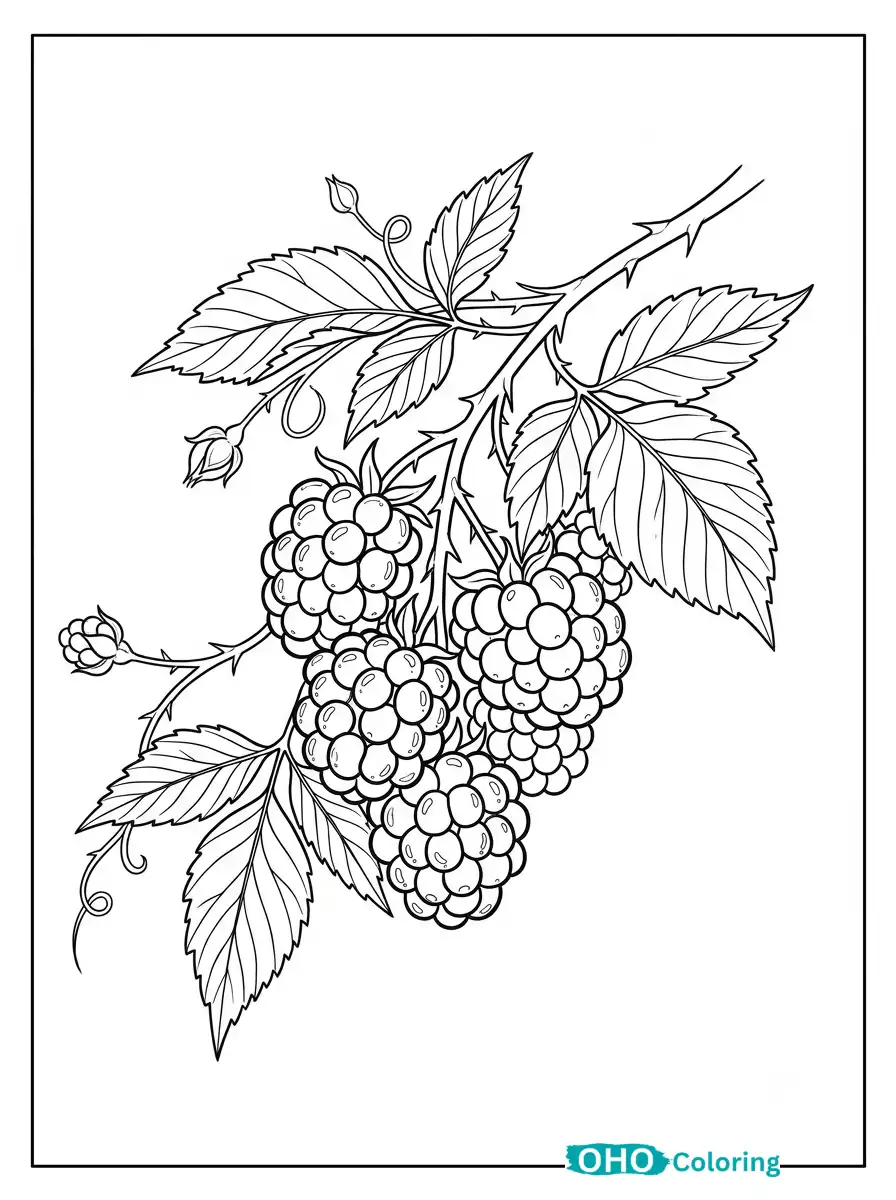



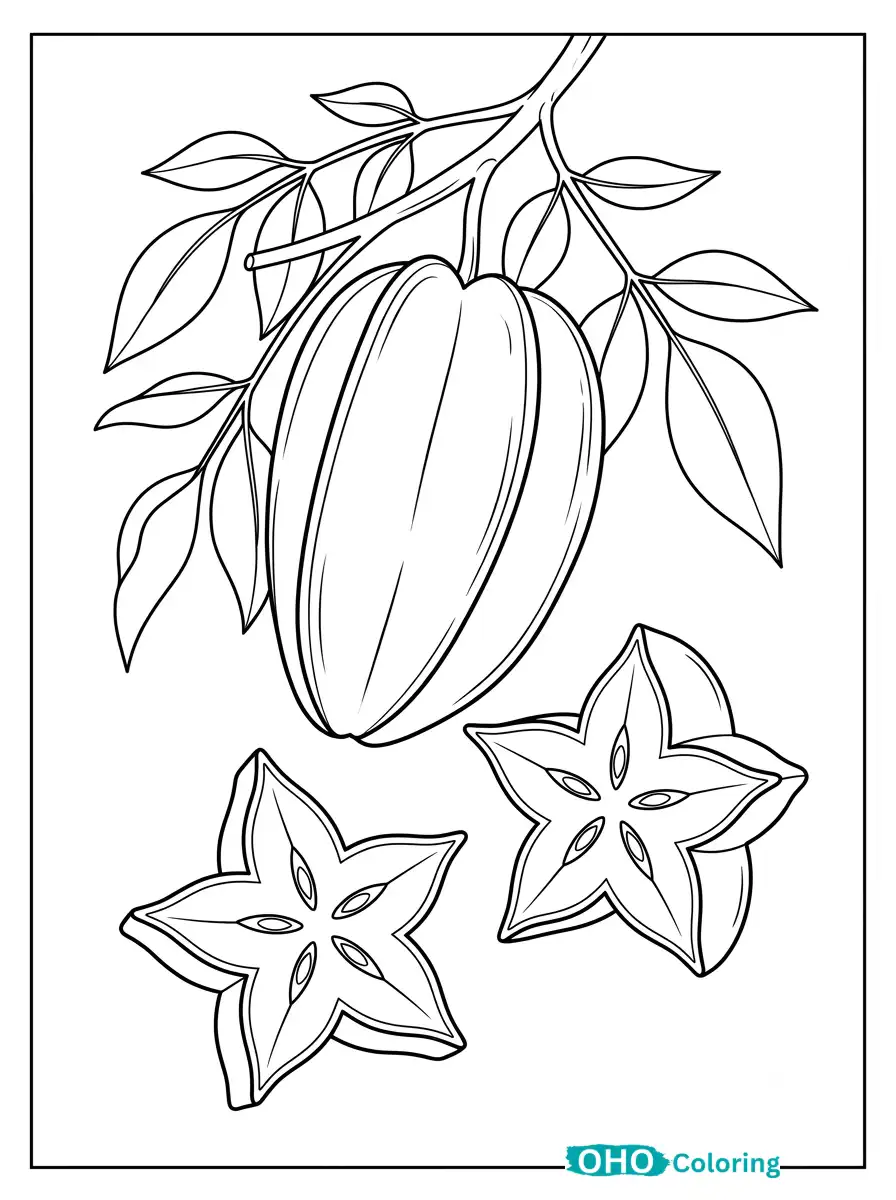
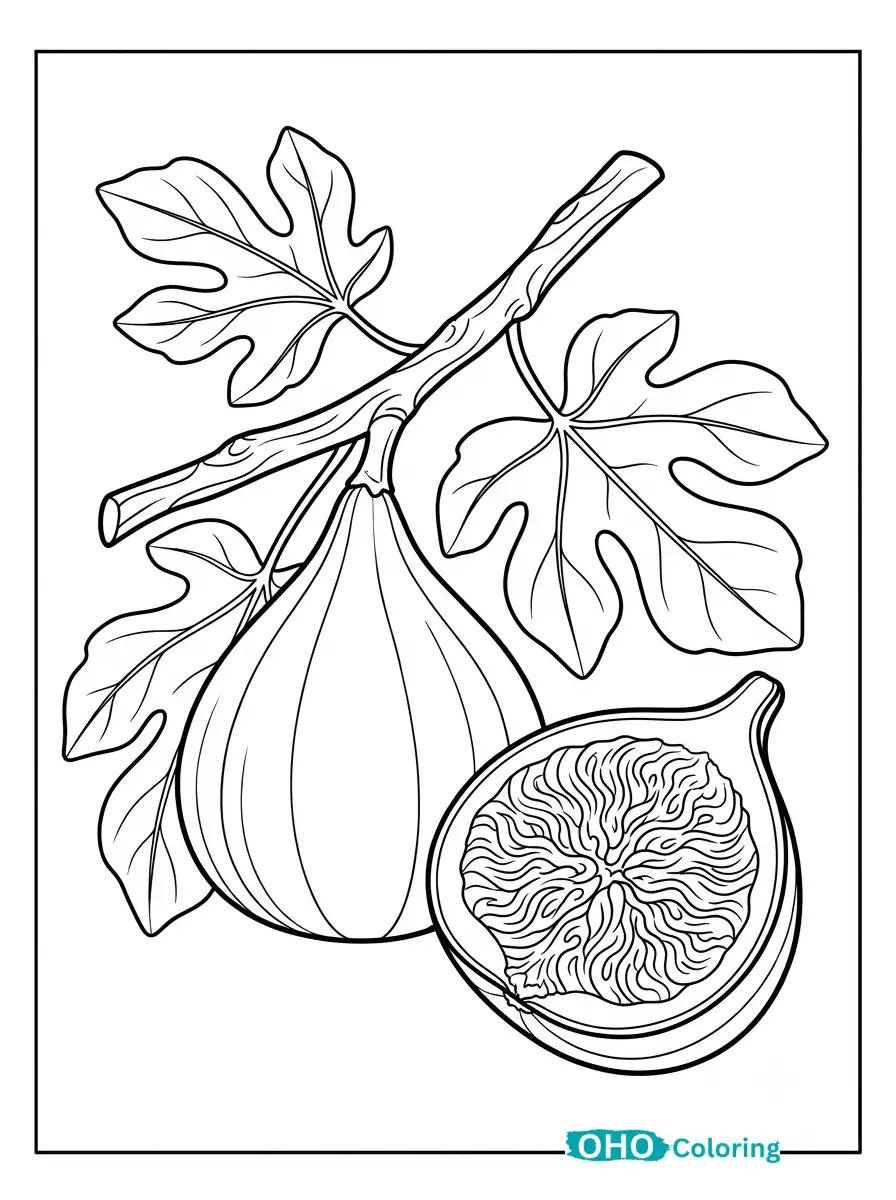


Fruits Coloring Pages highlights
The Juicy Watermelon Slice and Its Stripes
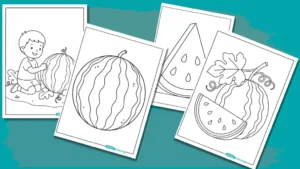
This fun journey begins with the absolute favorite fruit of the summer season, which holds a burst of sweet juice beneath its thick green skin. In our very first illustration, a large, fresh wedge of watermelon is displayed, its inner flesh beautifully decorated with crisp little seeds. As children begin to fill the outer rind with a deep green shade, they naturally learn to carefully observe the wavy stripes created by nature.
While they pick out a bright red pencil for the juicy inside, it is the perfect time to share a fascinating fact: nearly 92 percent of this entire fruit is made purely of water. This water-packed goodness keeps our bodies completely refreshed even on the hottest days, and when children pop out the seeds with a bold black color, the entire picture instantly comes to life.
A Tiny Strawberry Hanging on the Vine
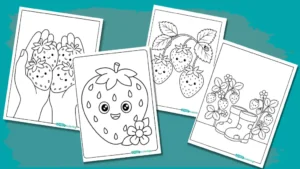
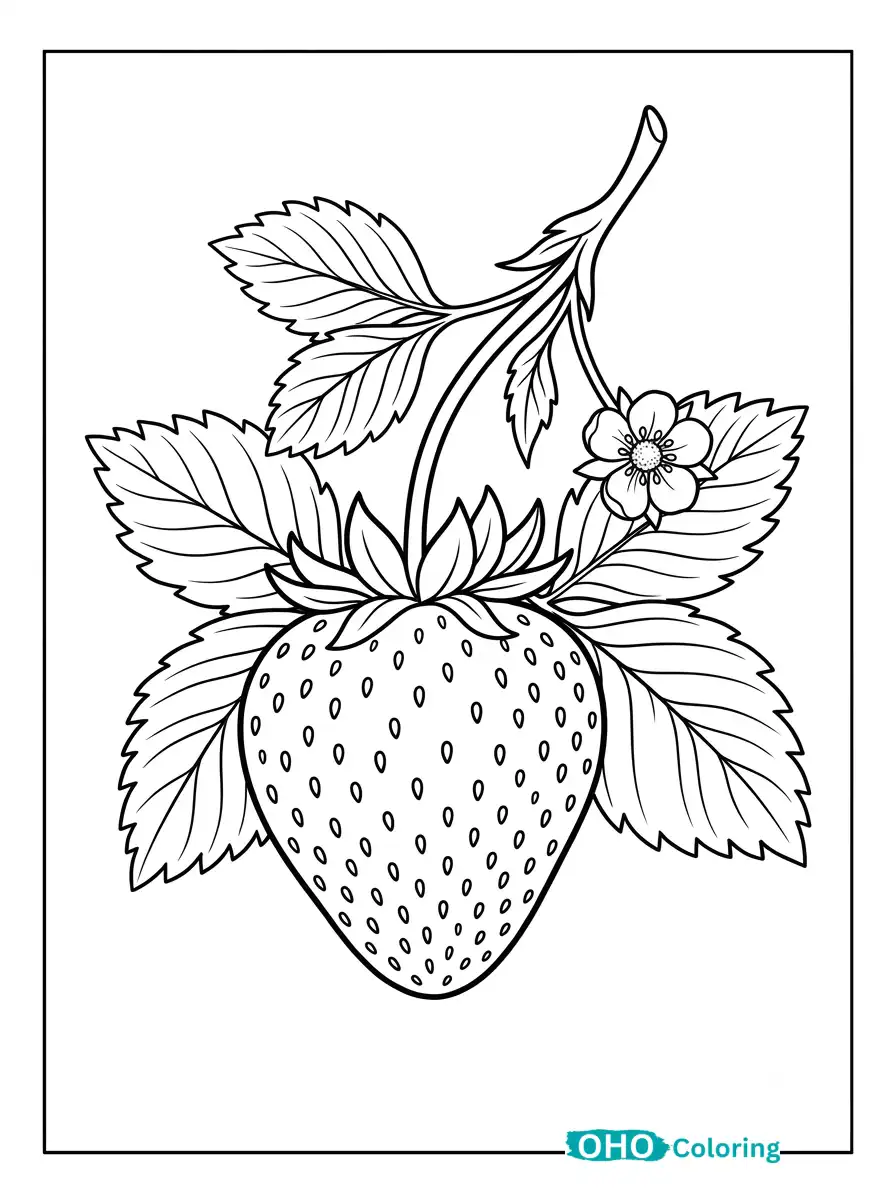
Moving forward from the juicy goodness of the watermelon, we come across a very delicate, small plant with tiny strawberries hanging gently from its slender vines. In this picture, the strawberry wears a cute little green leaf hat at the top, and its entire skin is covered with small, bumpy seeds.
Children usually assume that the seeds of every fruit are hidden deep inside its belly, but spreading a layer of bright red across this page reveals a very unique truth. The strawberry is the only fruit in the entire world that wears its seeds on the outside rather than the inside.
A single tiny strawberry can host around 200 of these outer seeds, and as children focus on tracing them with their colored pencils, both their concentration and their connection to art grow much deeper.
The Pineapple’s Unique Crown and Distinct Pattern
Leaving the world of small plants behind, children step onto the next page only to spot a fruit that looks exactly like a king ruling over a tropical forest. This is the pineapple illustration, featuring a fruit with a sharp, beautiful crown of spiky leaves resting proudly on its head, paired with a round slice sitting right beside it.
Looking closely at the diamond-shaped patterns carved across its body, children are often amazed by how nature styles its creations. In reality, a pineapple is not just one single fruit; it is actually a cluster of many small berries that fuse together so tightly that they take the shape of one powerful, solid fruit.
It takes nearly three long years for this royal fruit to fully grow, and children practice that very same patience as they take their time to fill each diamond block with shades of yellow and brown.
A Smiling Bunch of Bananas
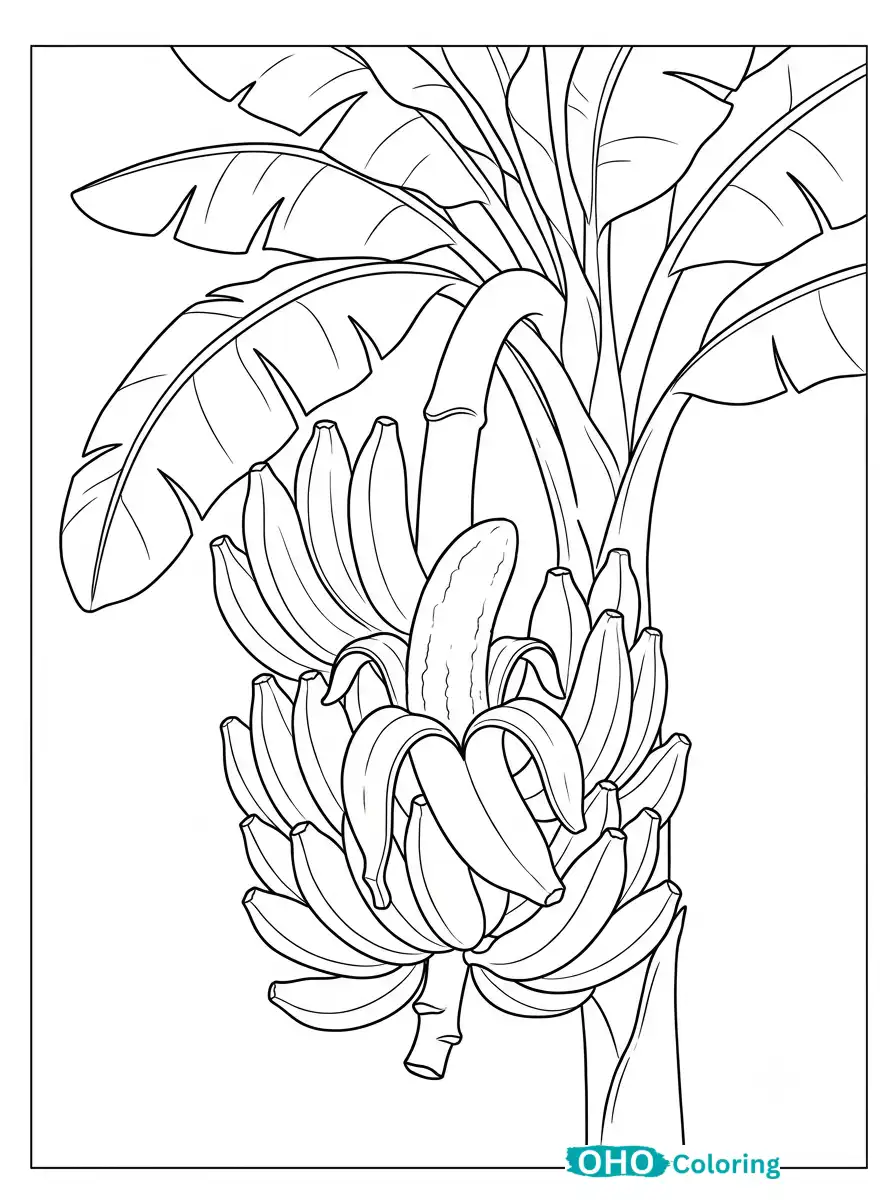
After exploring the spiky crown of the king pineapple, children move on to a fruit that is undoubtedly the easiest to peel and eat. Here on the paper, a heavy cluster of bananas bends gently downward, with one central banana showing a peel that is half opened to reveal the sweet fruit inside. Children often wonder why bananas are naturally curved, and they find their answer while sweeping a bright yellow pencil across this drawing.
As bananas grow, instead of stretching downward toward the ground, they naturally bend upward toward the sunlight, which automatically curves their shape. Packed with potassium, this fruit gives children the instant energy they need to run and play all day, and by adding a touch of soft green to the tips, they get a real feel for how nature ripens its treats.
Tips for coloring fruit-themed coloring pages
The real joy of coloring these beautiful fruit pages comes when the shades on the paper begin to look wonderfully realistic and alive. To help enhance children’s artwork and improve their hand control, here are some highly practical and simple art tips they can try while working on their pages.
The Magic of Layering: To give fruits a highly natural look, never apply just one heavy coat of color right away. For instance, when children are coloring an apple or a mango, they should first spread a very gentle, light layer of yellow across the entire shape as a base. Afterward, they can blend a layer of red or deep green over it. This technique creates a beautiful brightness and depth, perfectly mimicking the way real fruits look hanging on a tree.
Bring out Texture with Dots (Stippling Technique): The skin of certain fruits is not perfectly smooth, like the dimpled surface of an orange or a lemon, or the textured inside of a watermelon. A super fun way to capture this texture on paper is by coloring the area lightly with a crayon or colored pencil first, and then using the fine tip of a marker to tap down tiny dots. This technique adds a wonderful tactile feel to the drawing, making it look incredibly professional rather than simple.
Creating Light and Shadows (Highlighting): To make any fruit look perfectly round and shiny, leave a tiny spot completely white or color it with a very faint hand. When children leave a small blank highlight on the upper curves of the fruit, it looks as though direct sunlight is gleaming off the surface. Conversely, adding a slightly darker or heavier shade to the bottom edges immediately gives the fruit a beautiful sense of depth and shadow.
Choosing the Right Tool (Medium Selection): For very intricate areas, such as the diamond patterns of a pineapple or the tiny seeds on a strawberry, it is best to use a sharply pointed colored pencil. Pencils give children the control they need to fill tiny spaces neatly without sliding outside the lines. On the other hand, for larger, wider spaces like the big watermelon wedge or the full bunch of bananas, using crayons or oil pastels is much more comfortable and helps fill the page evenly and quickly.
Give Leaves a Realistic Look: Children often paint every single leaf with the exact same shade of dark green, which can make the drawing look a bit artificial. In nature, every fruit plant has its own distinct shade of foliage. Teach children to fill the inner veins of the leaves with a bright yellow or lime green, and use a deeper green for the rest of the leaf. Blending a tiny touch of brown right near the stem will make the leaves look like they were plucked straight from a real orchard.